by Ivan Johnson, Middle School Program Head
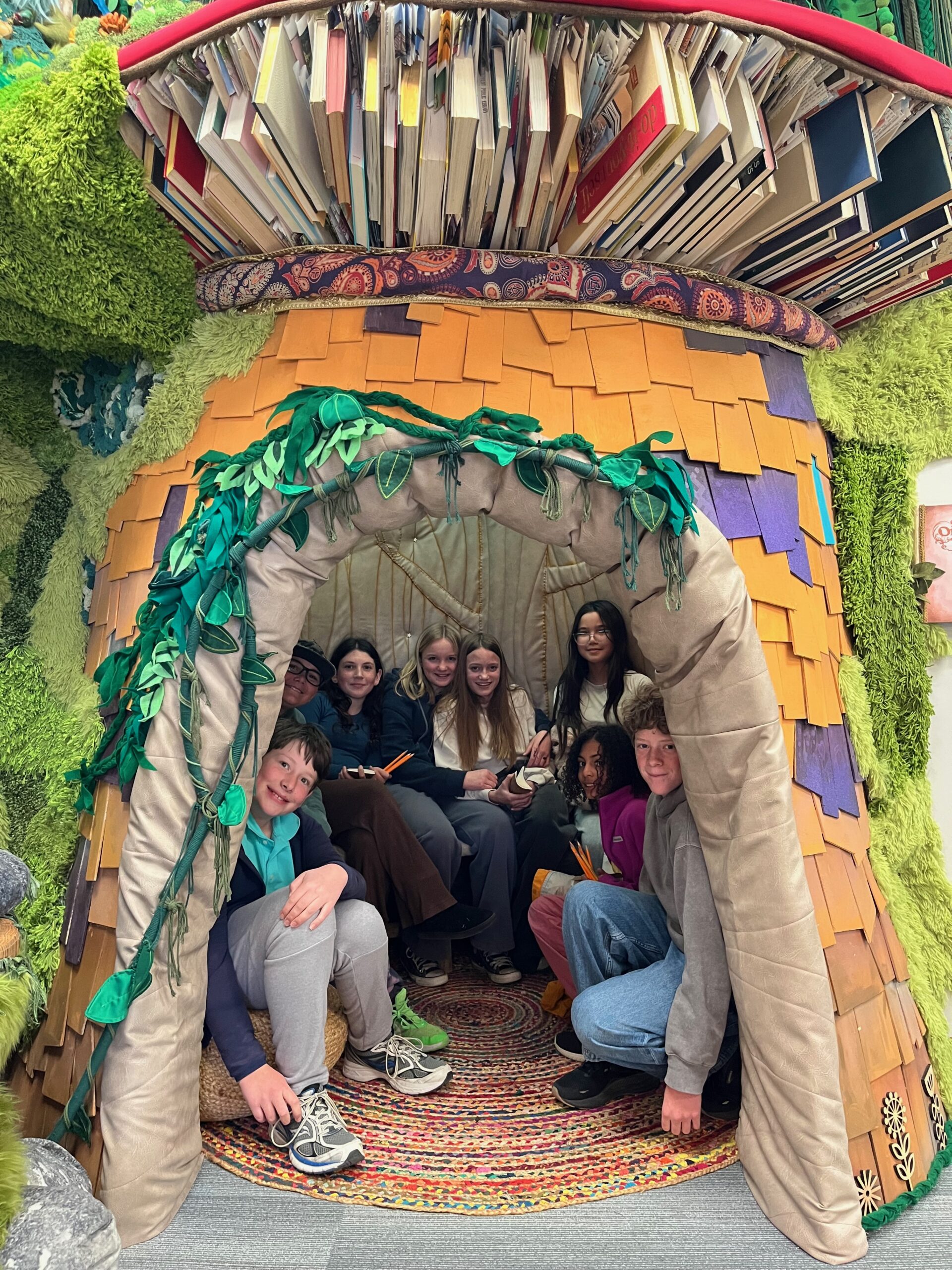
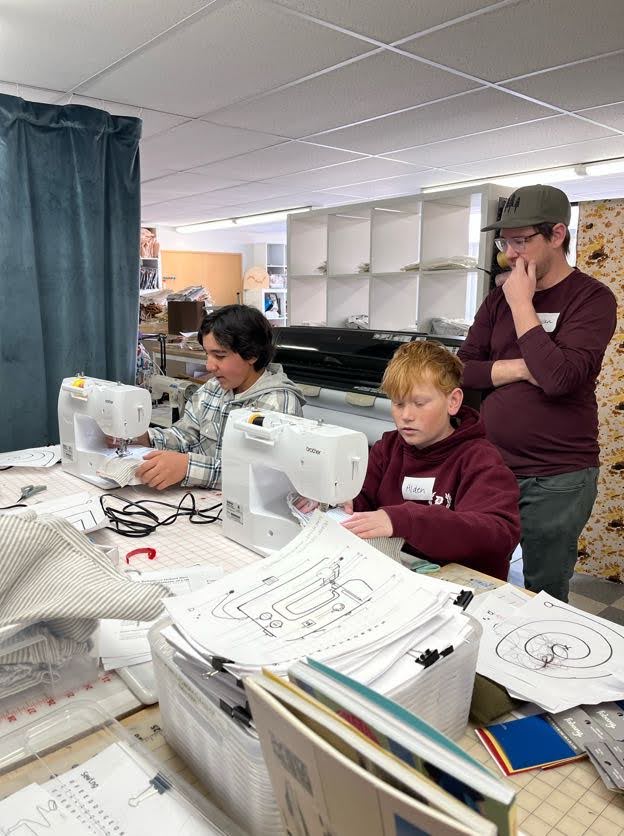
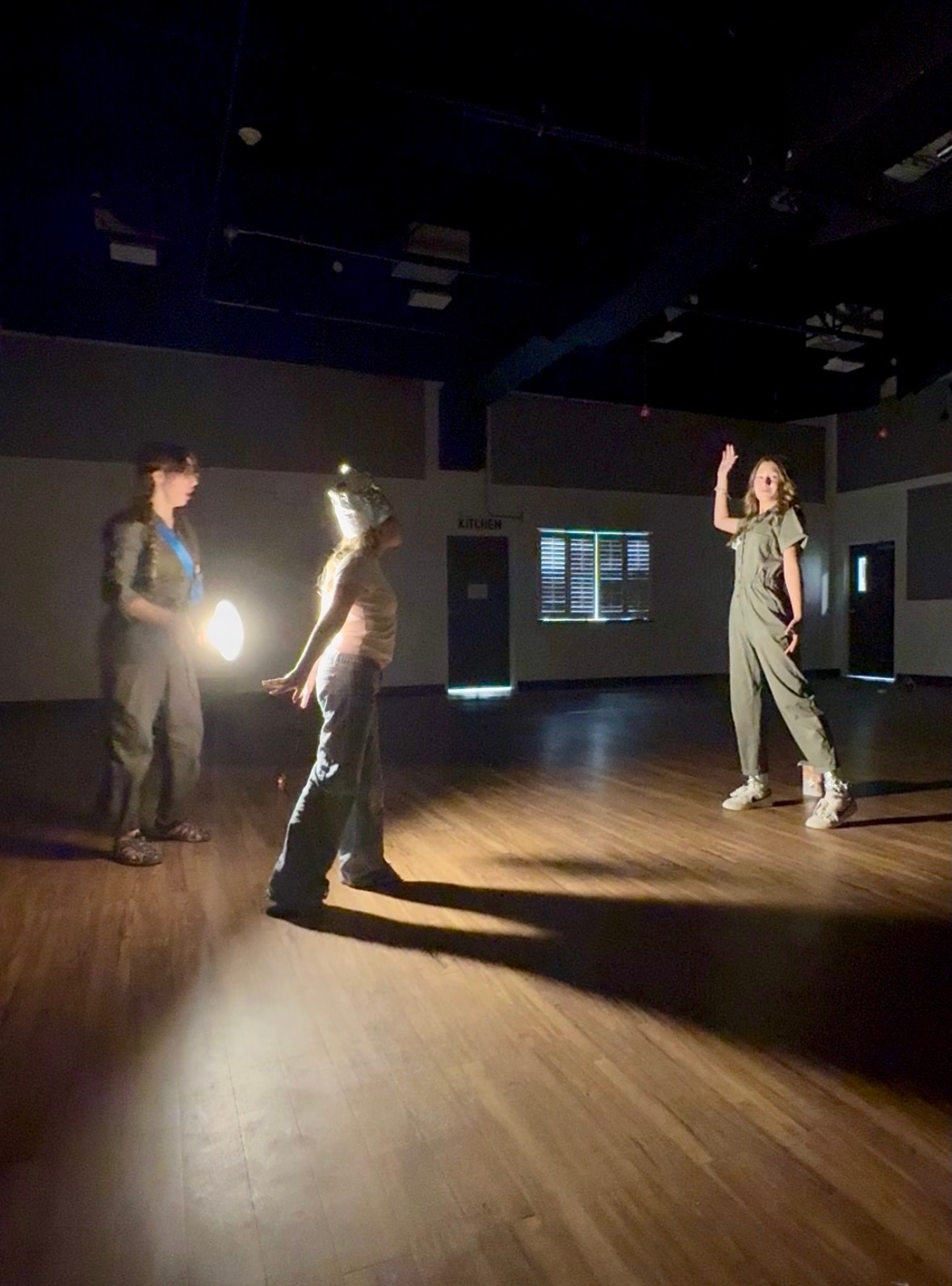
This week, our middle school looks a little different.
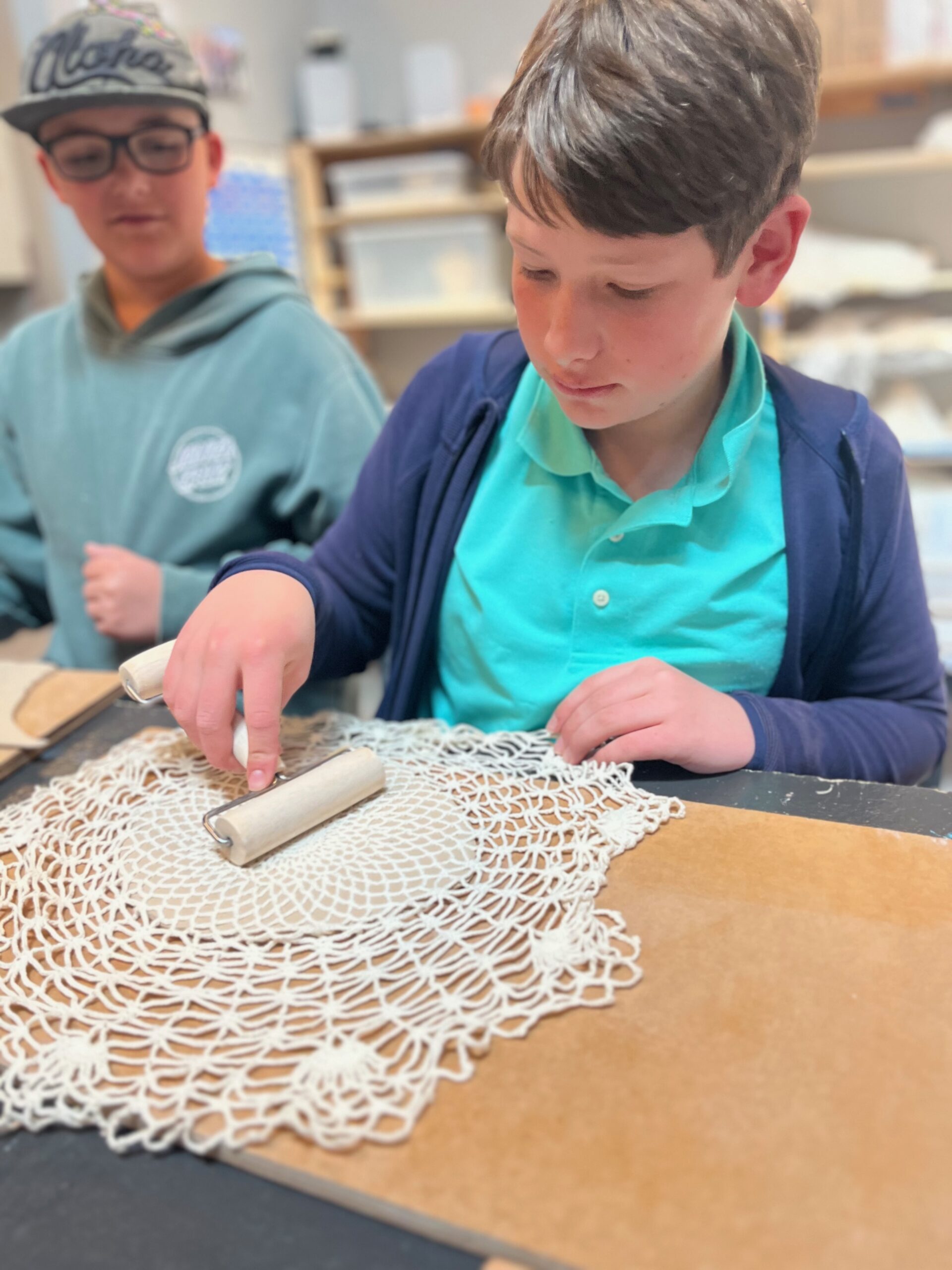
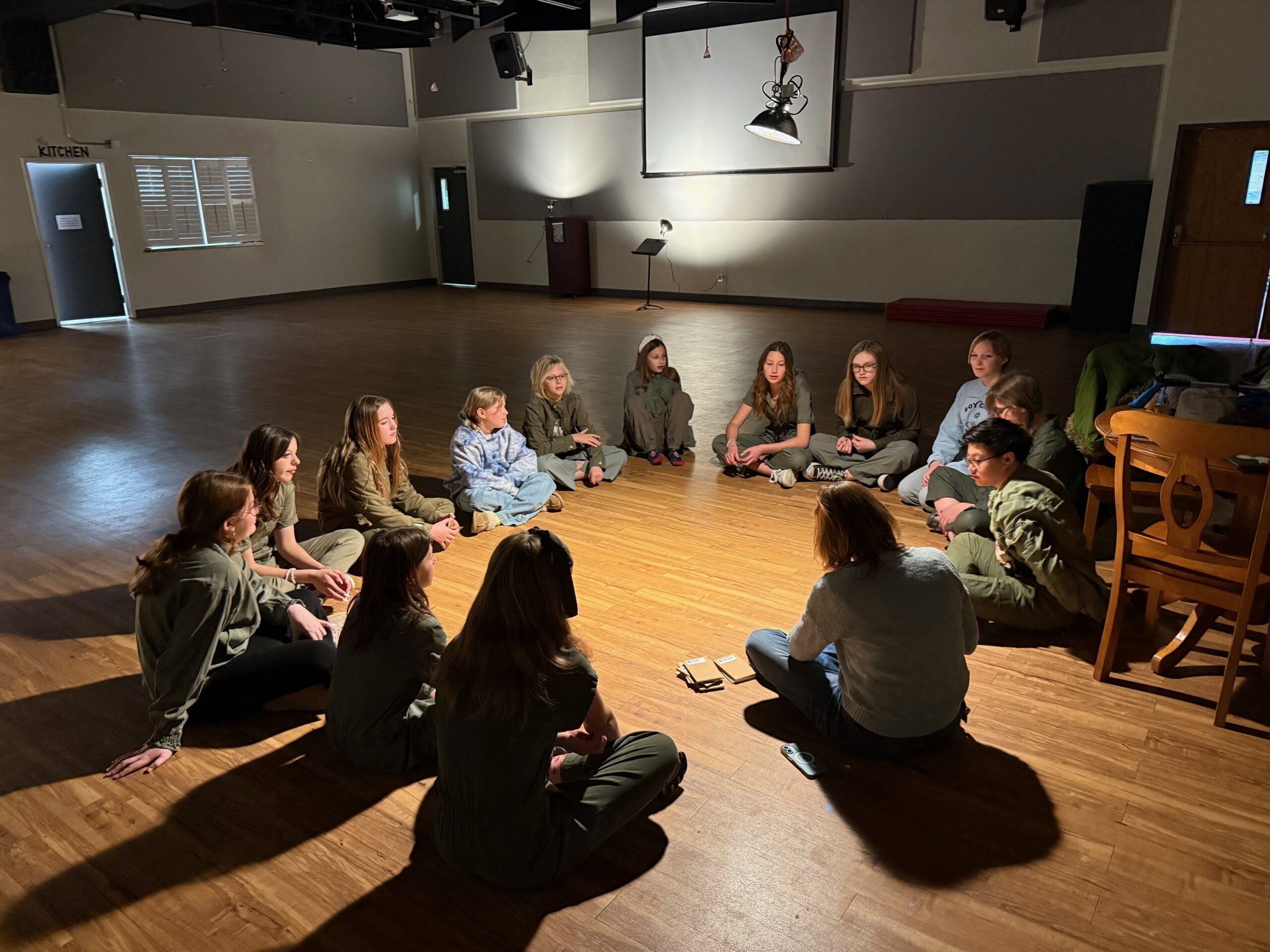
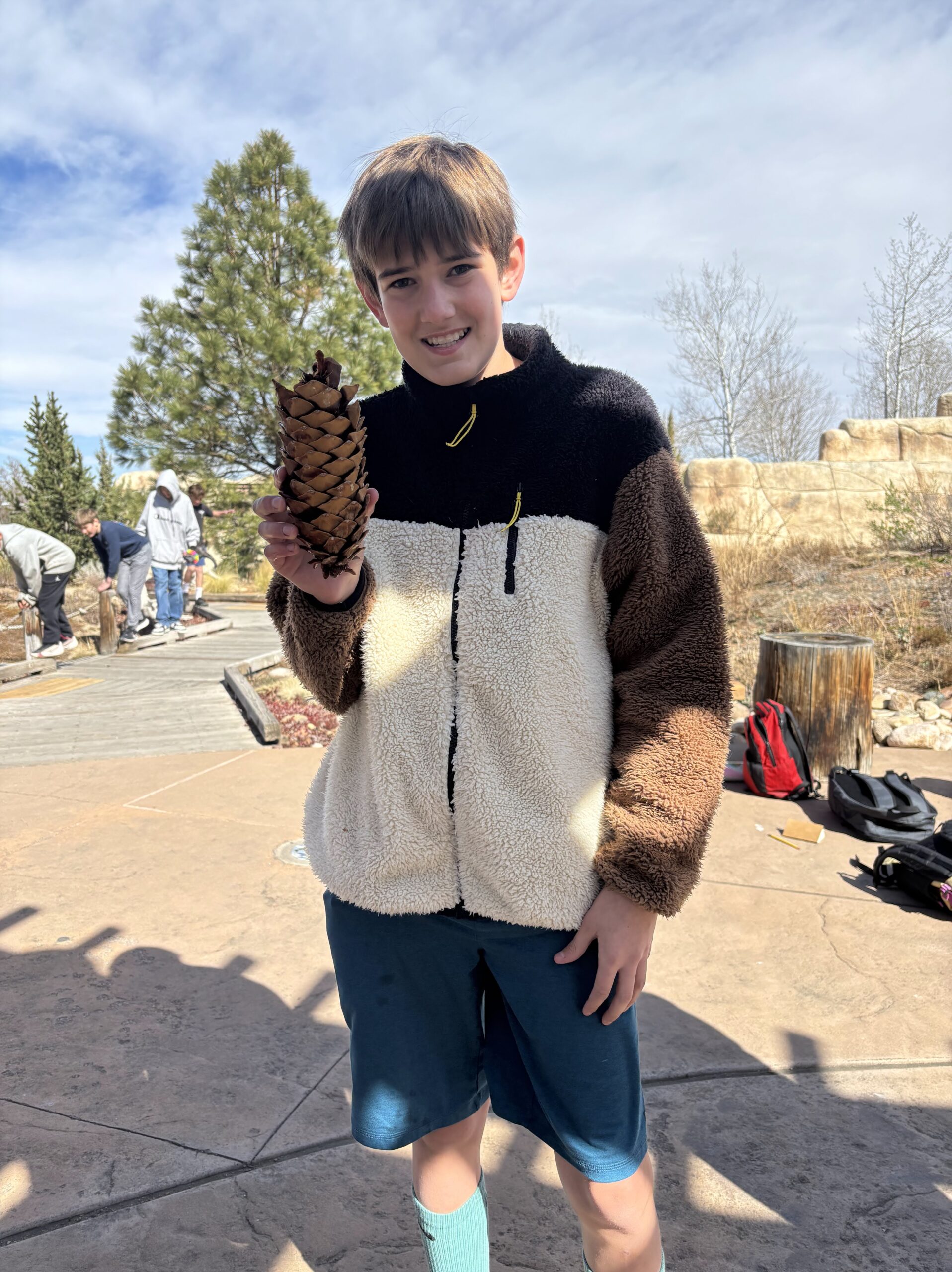
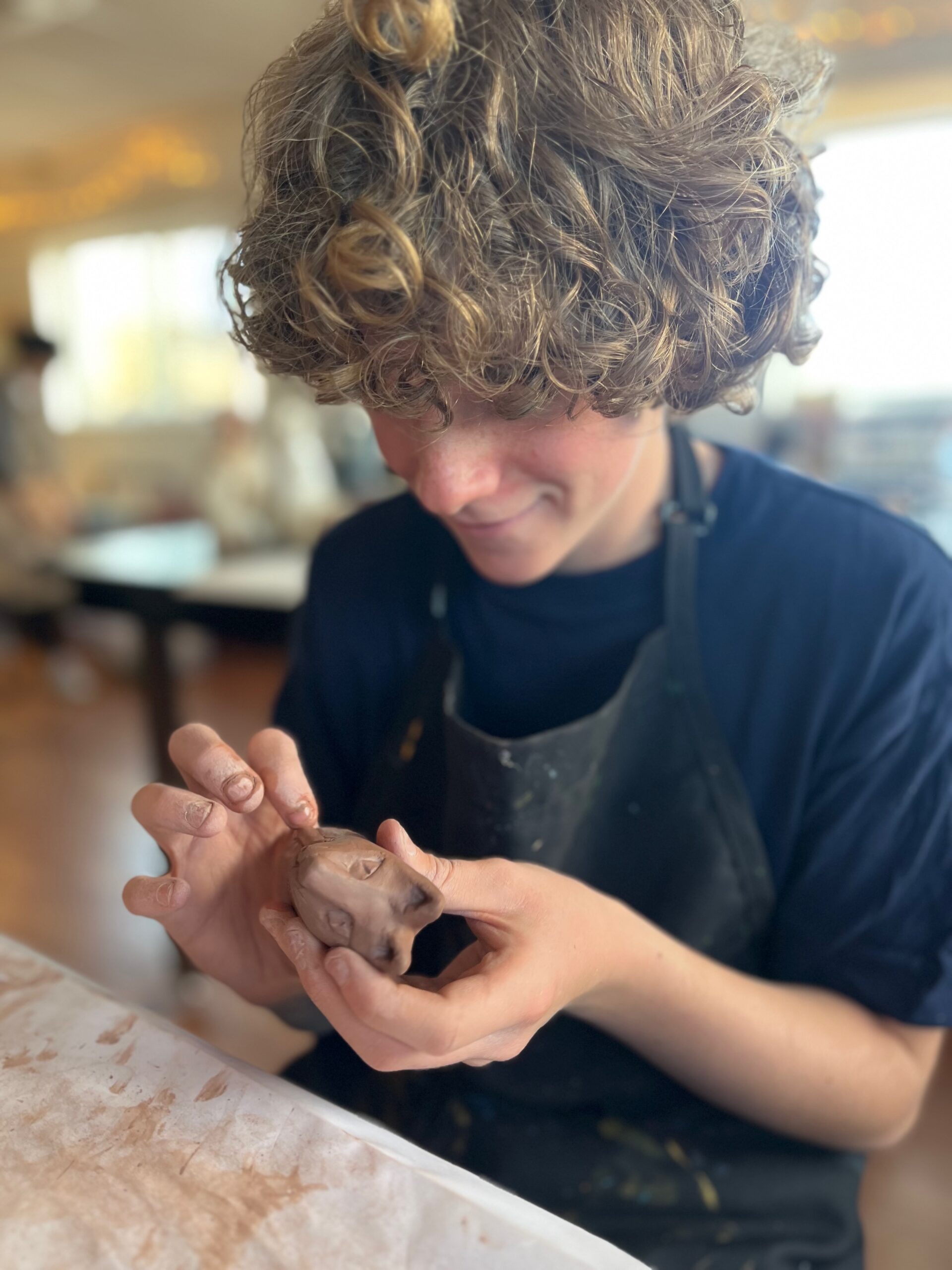
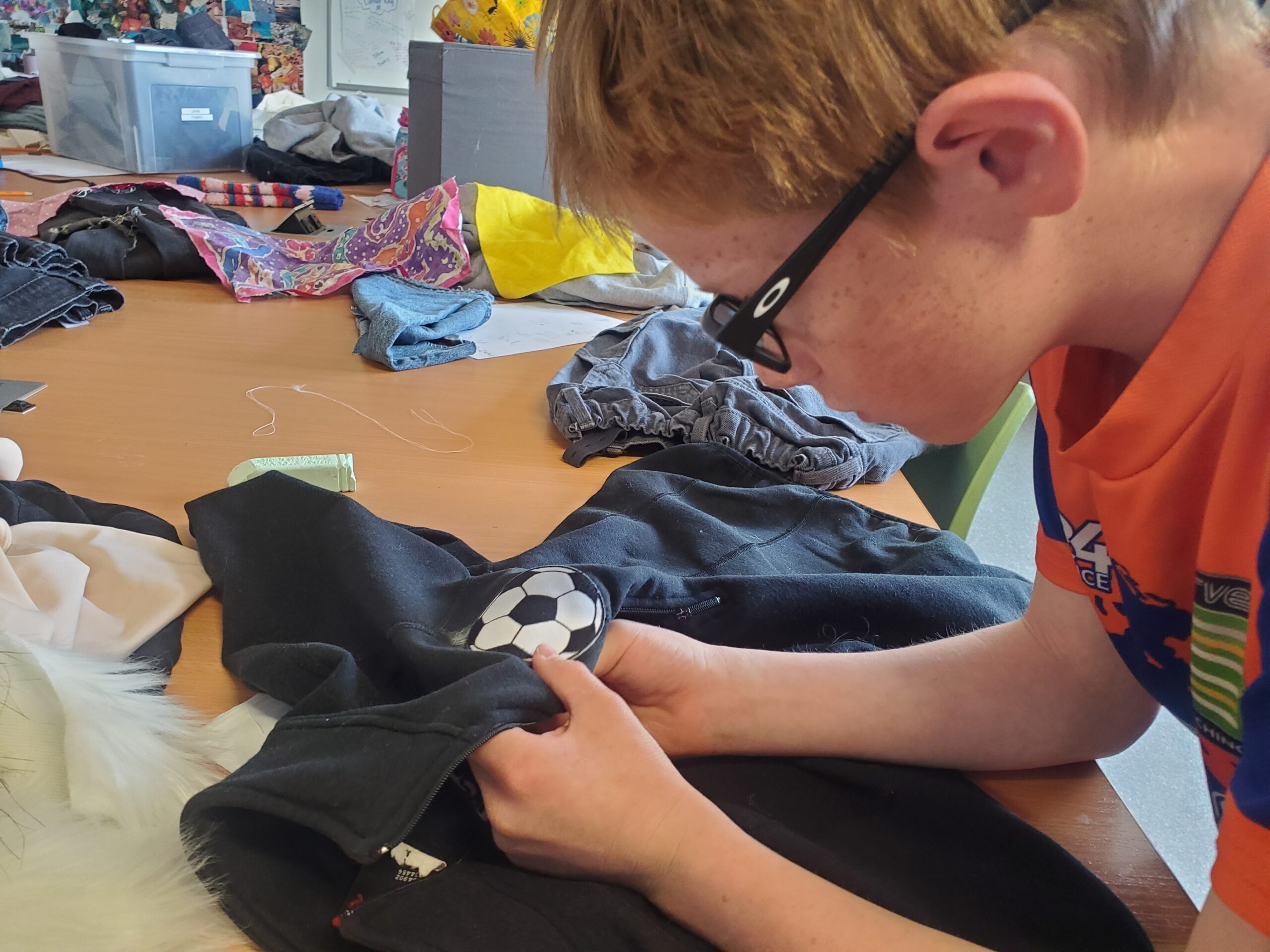
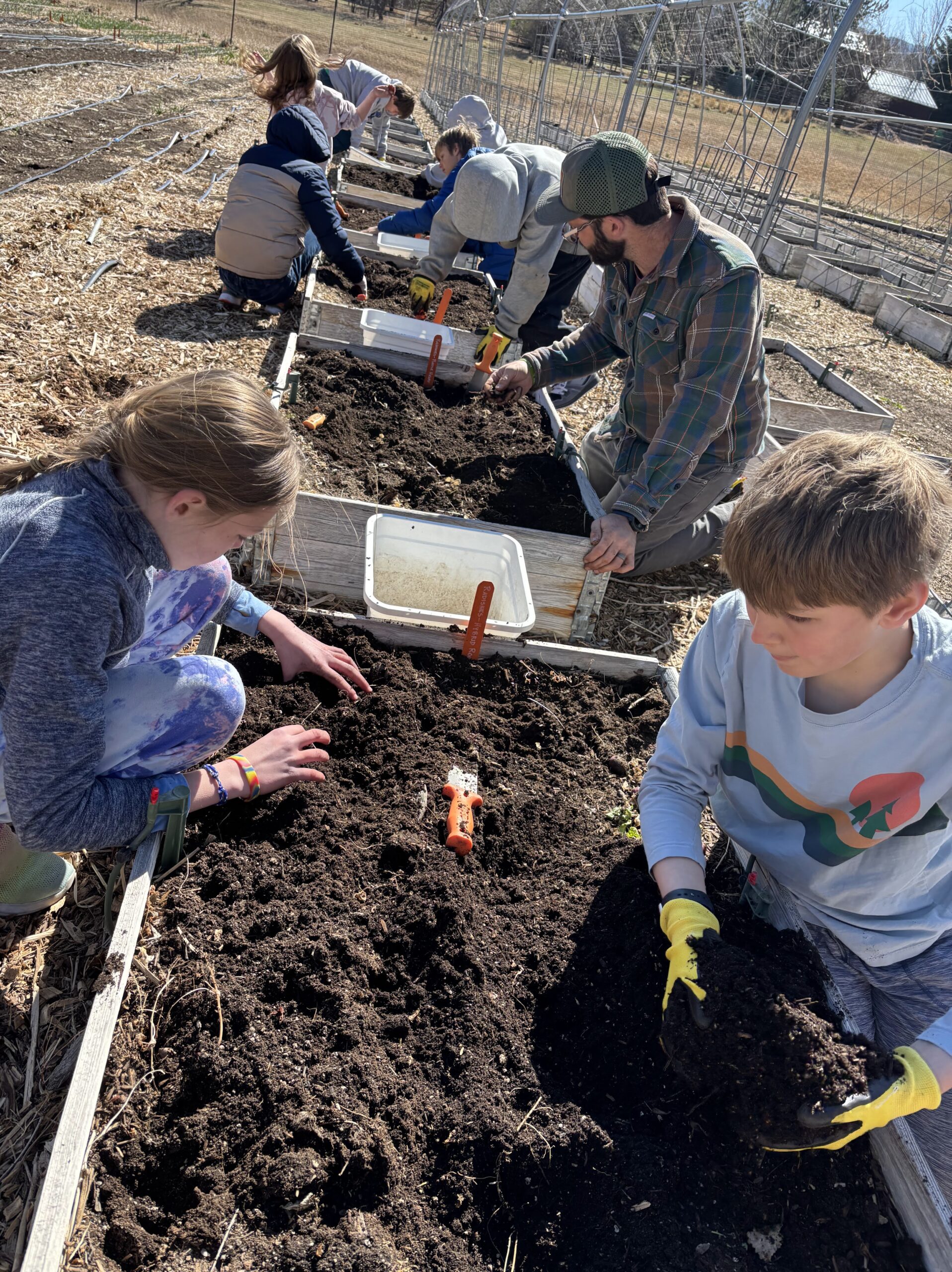
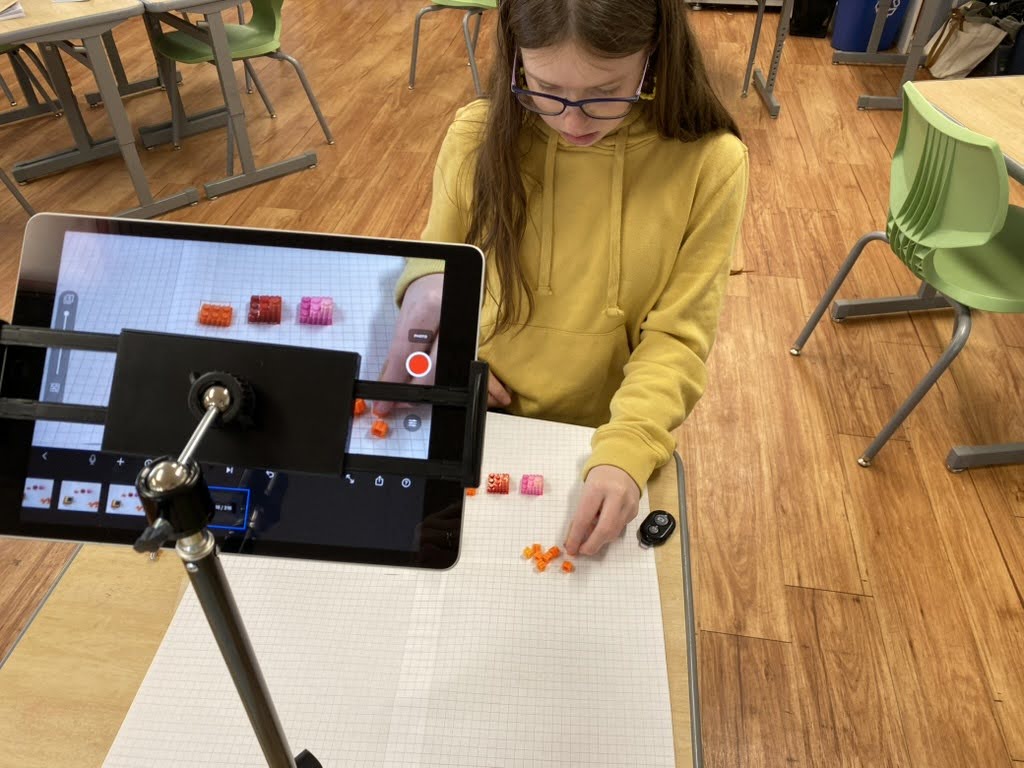
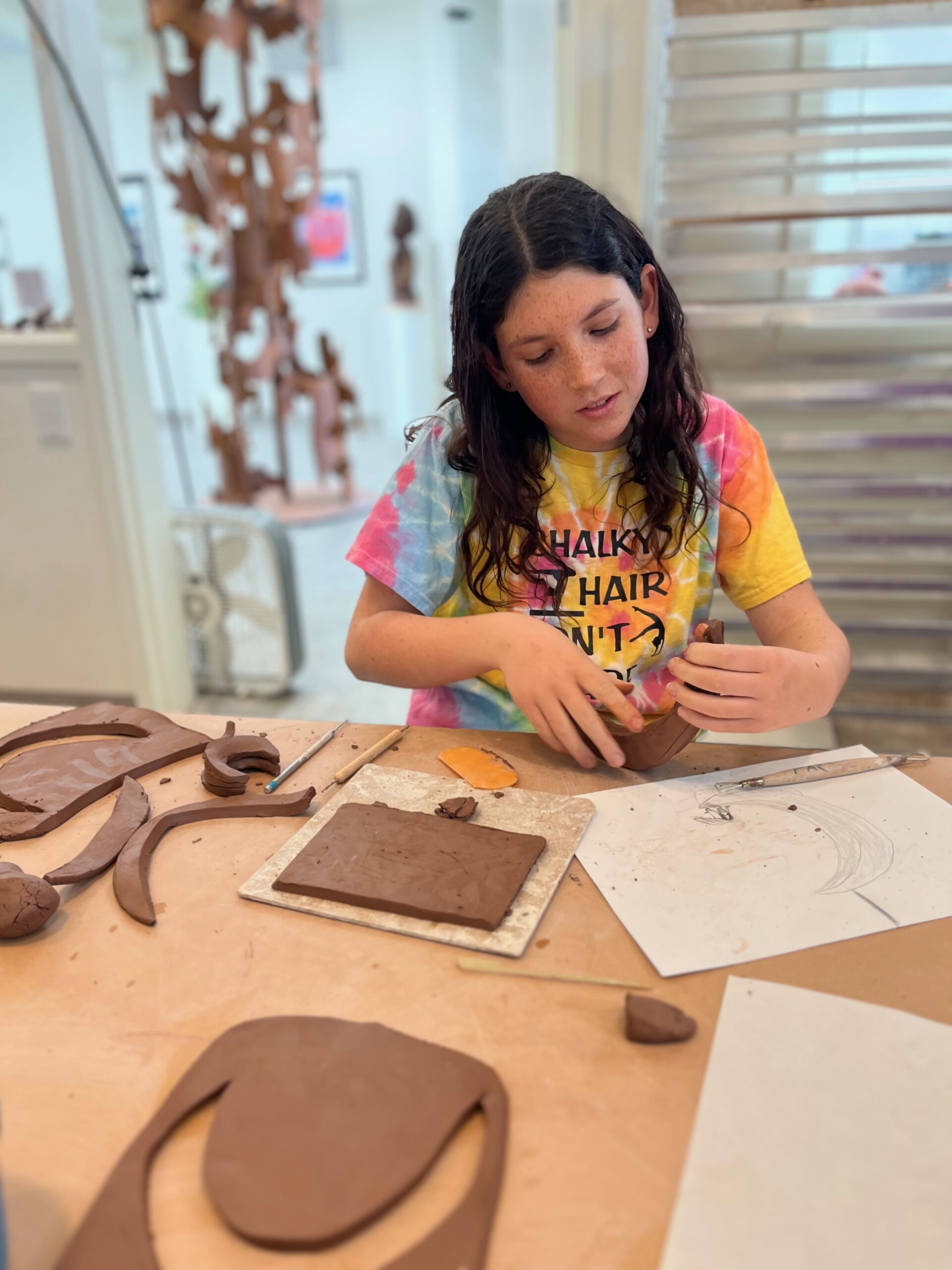
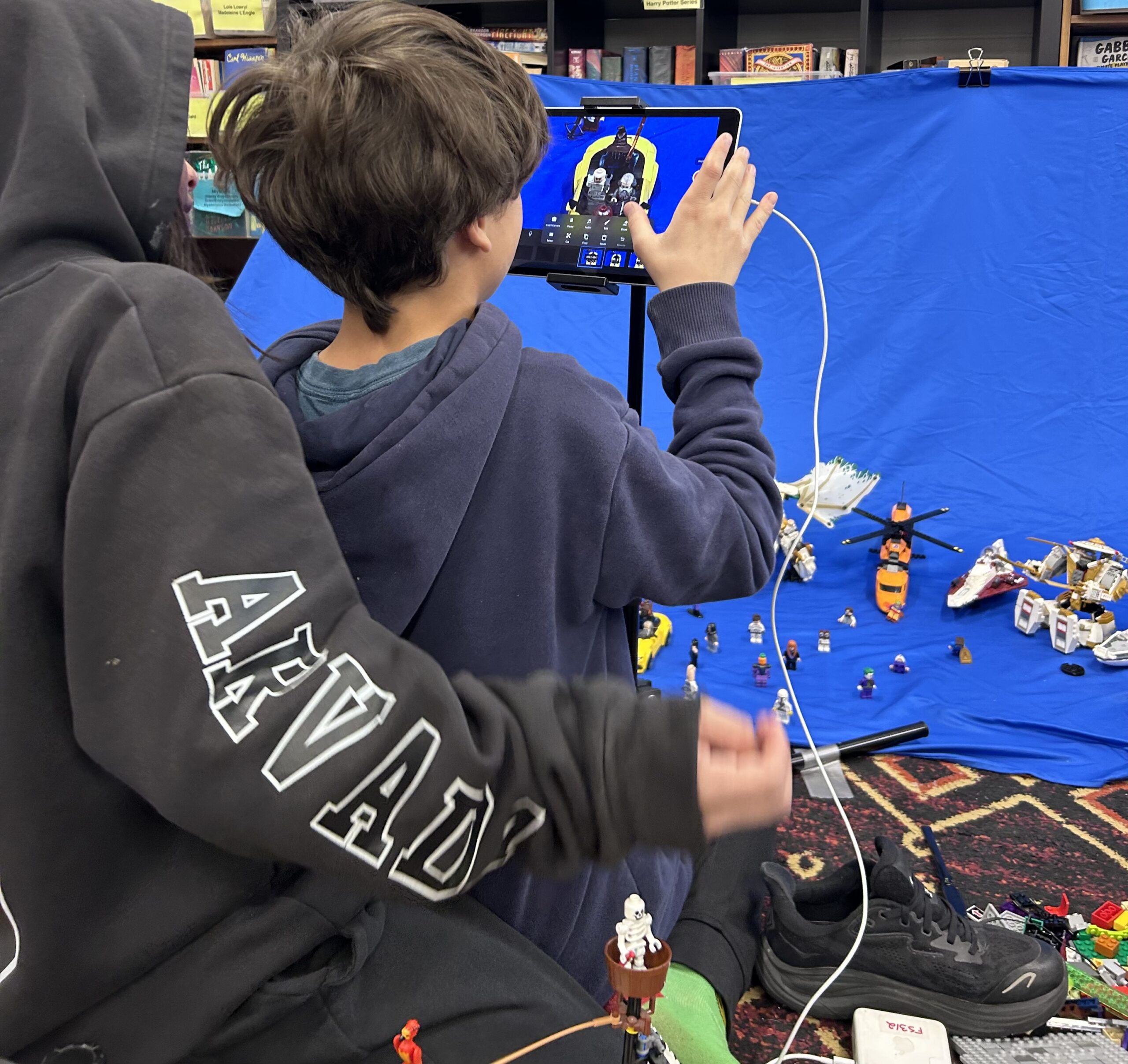
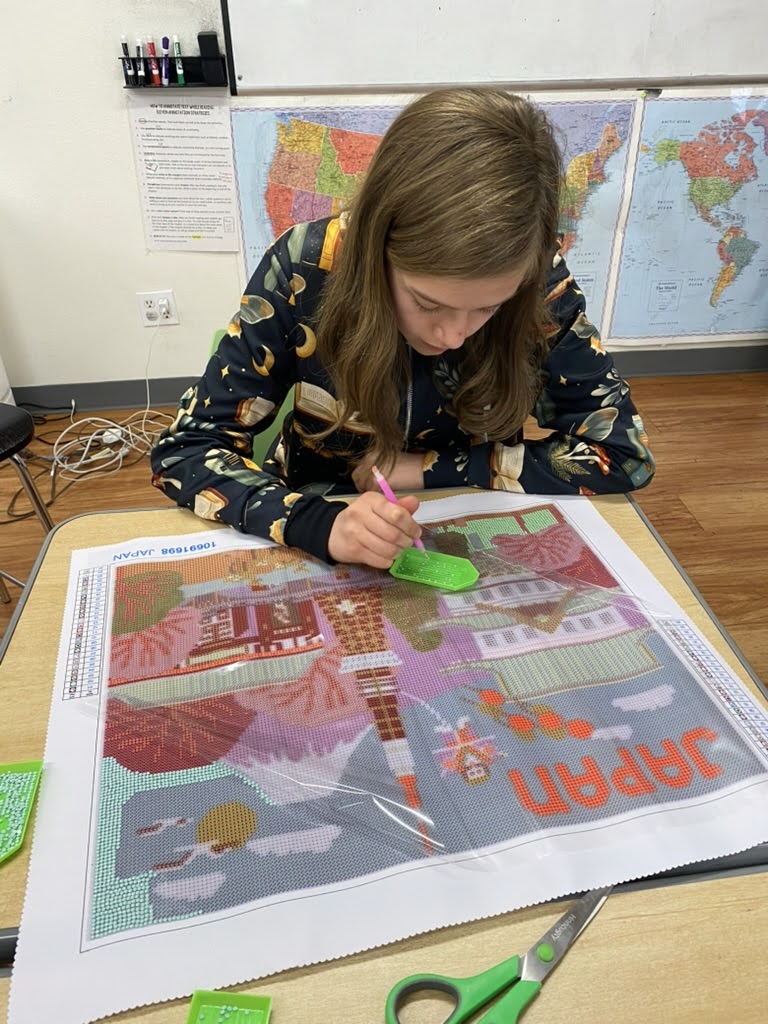
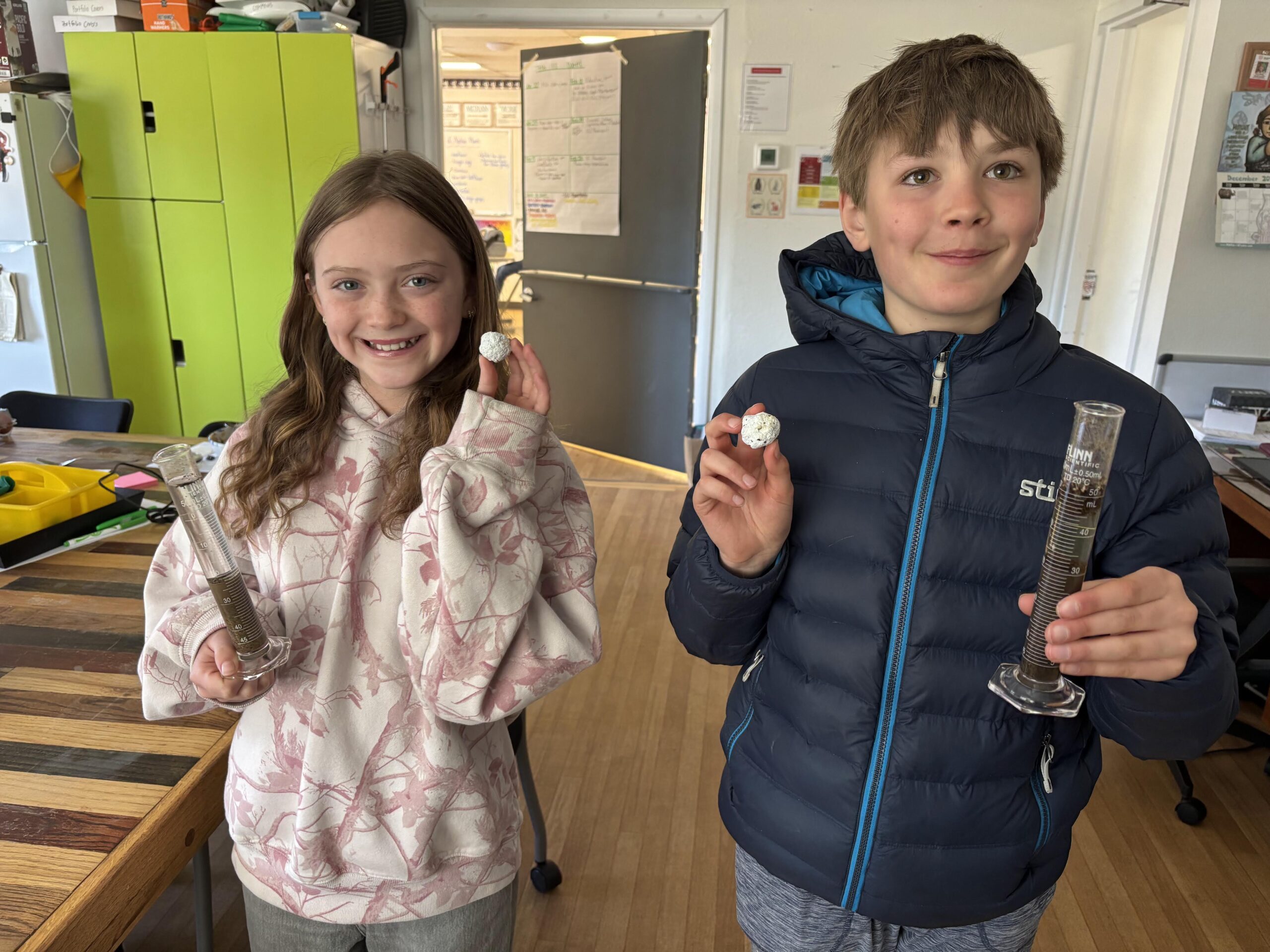
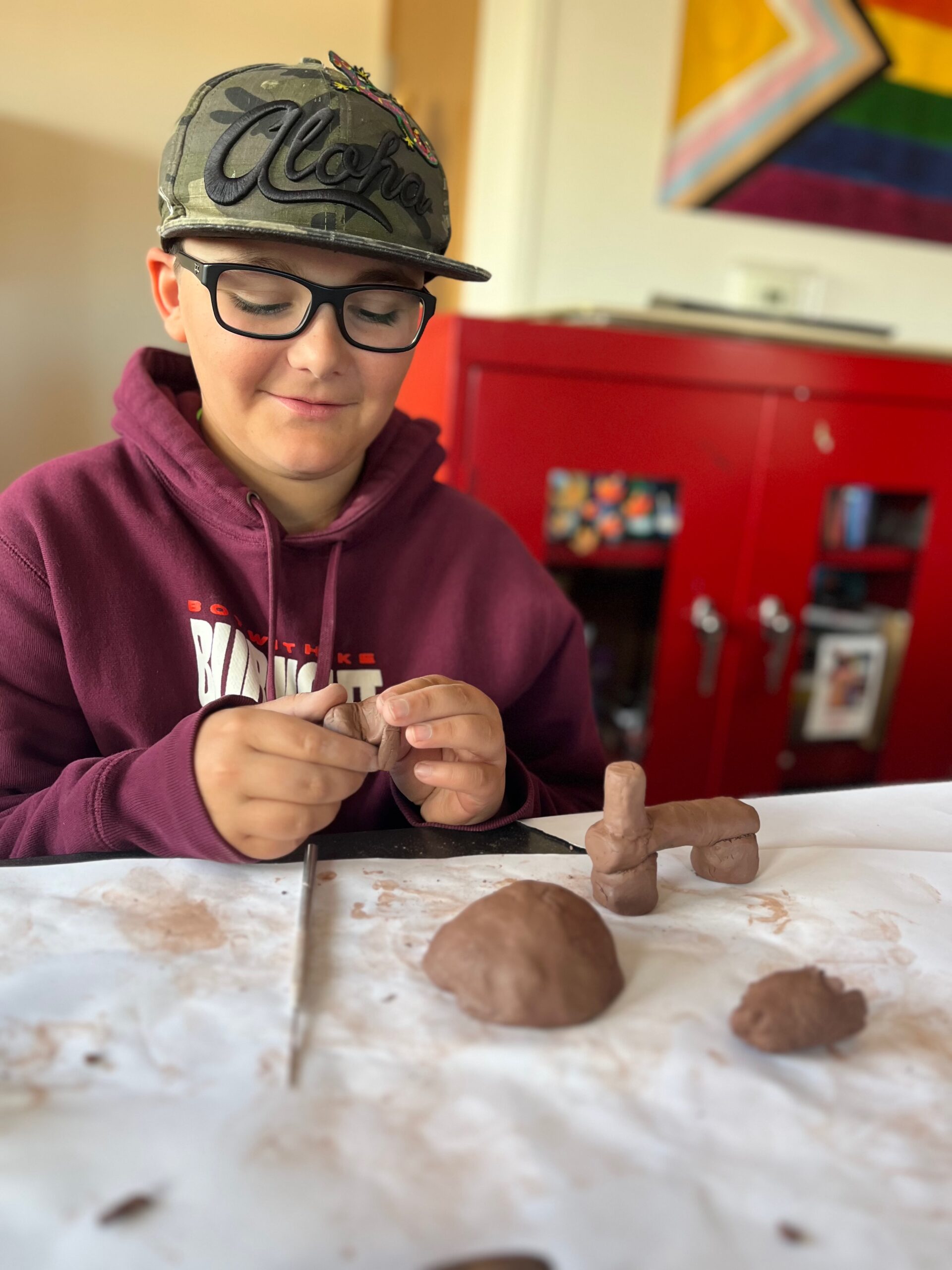
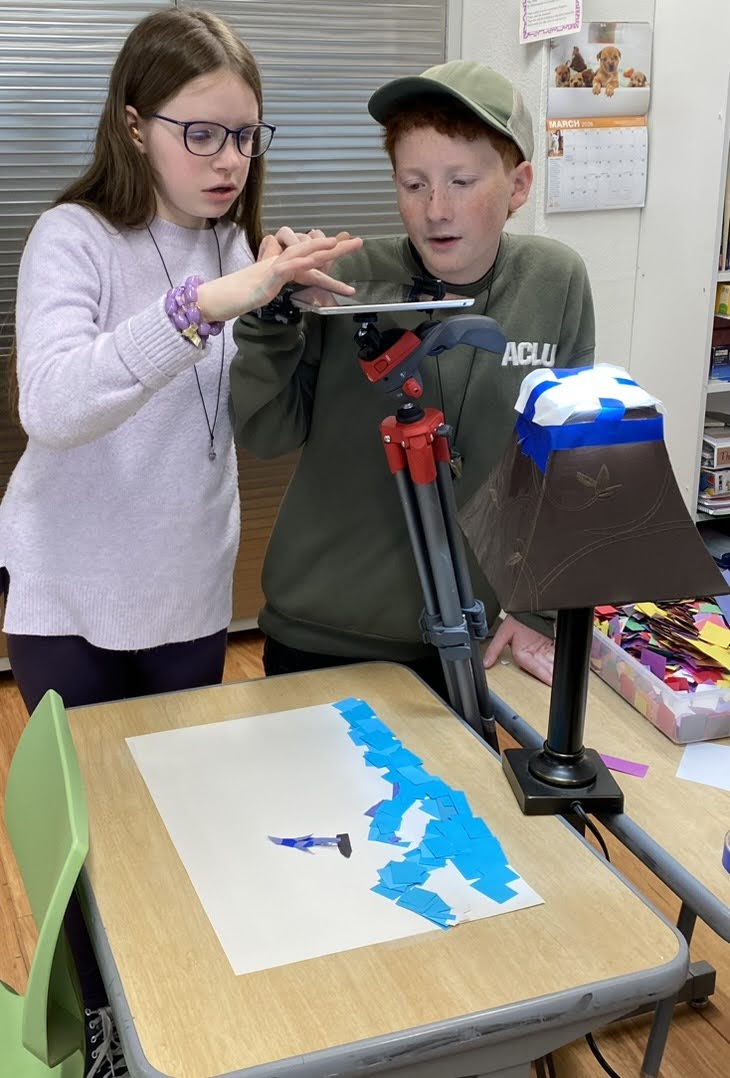
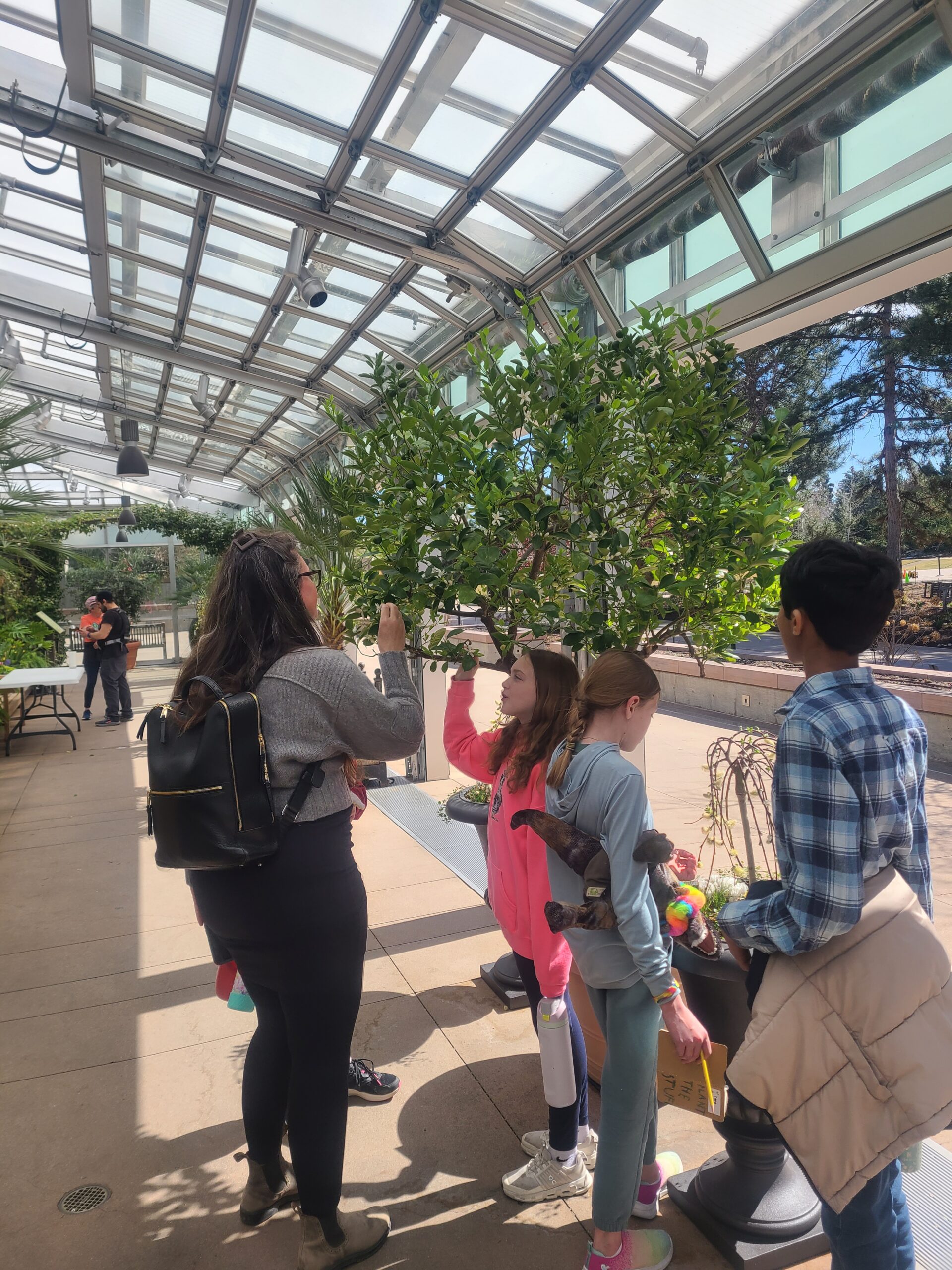
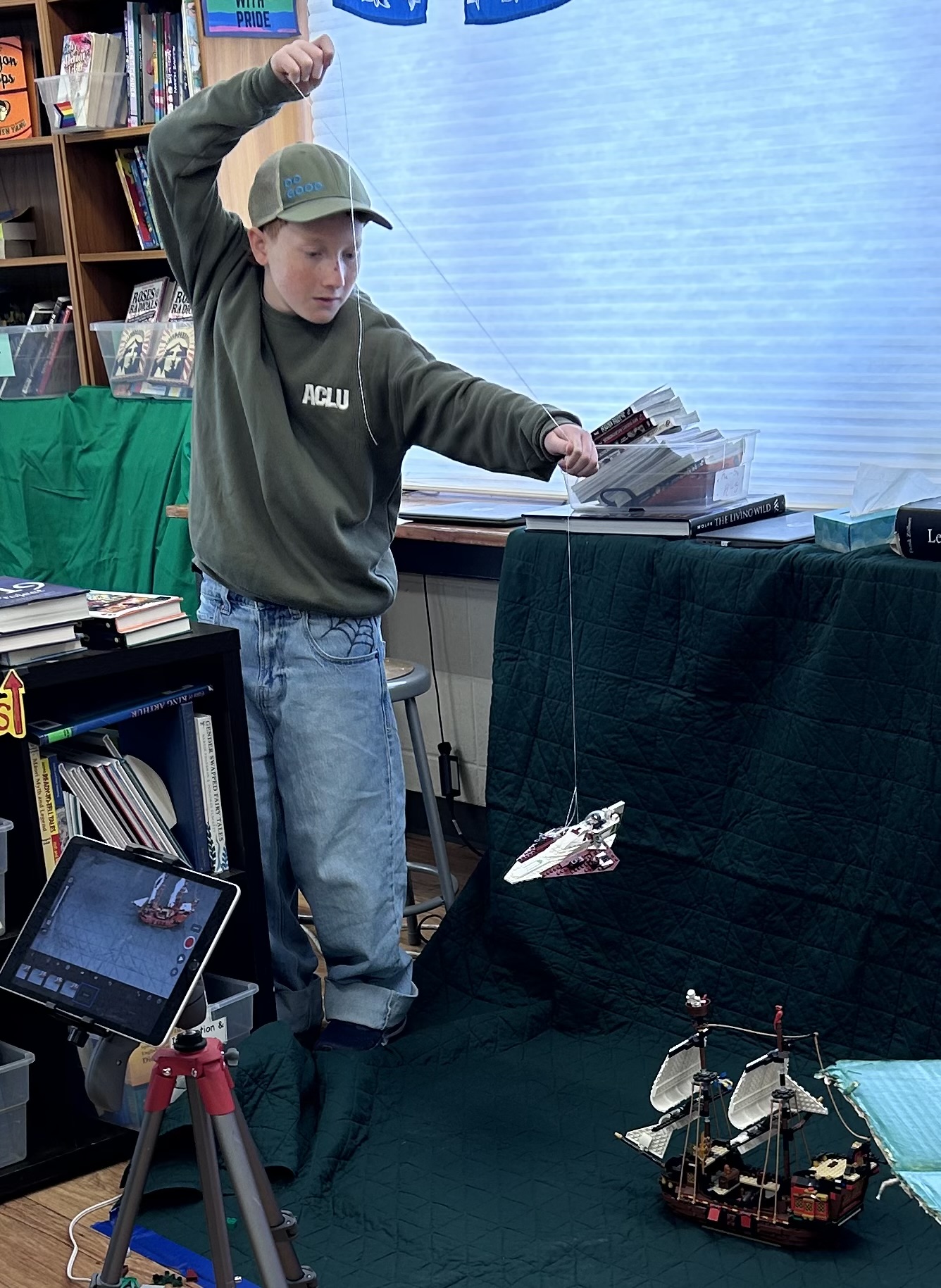
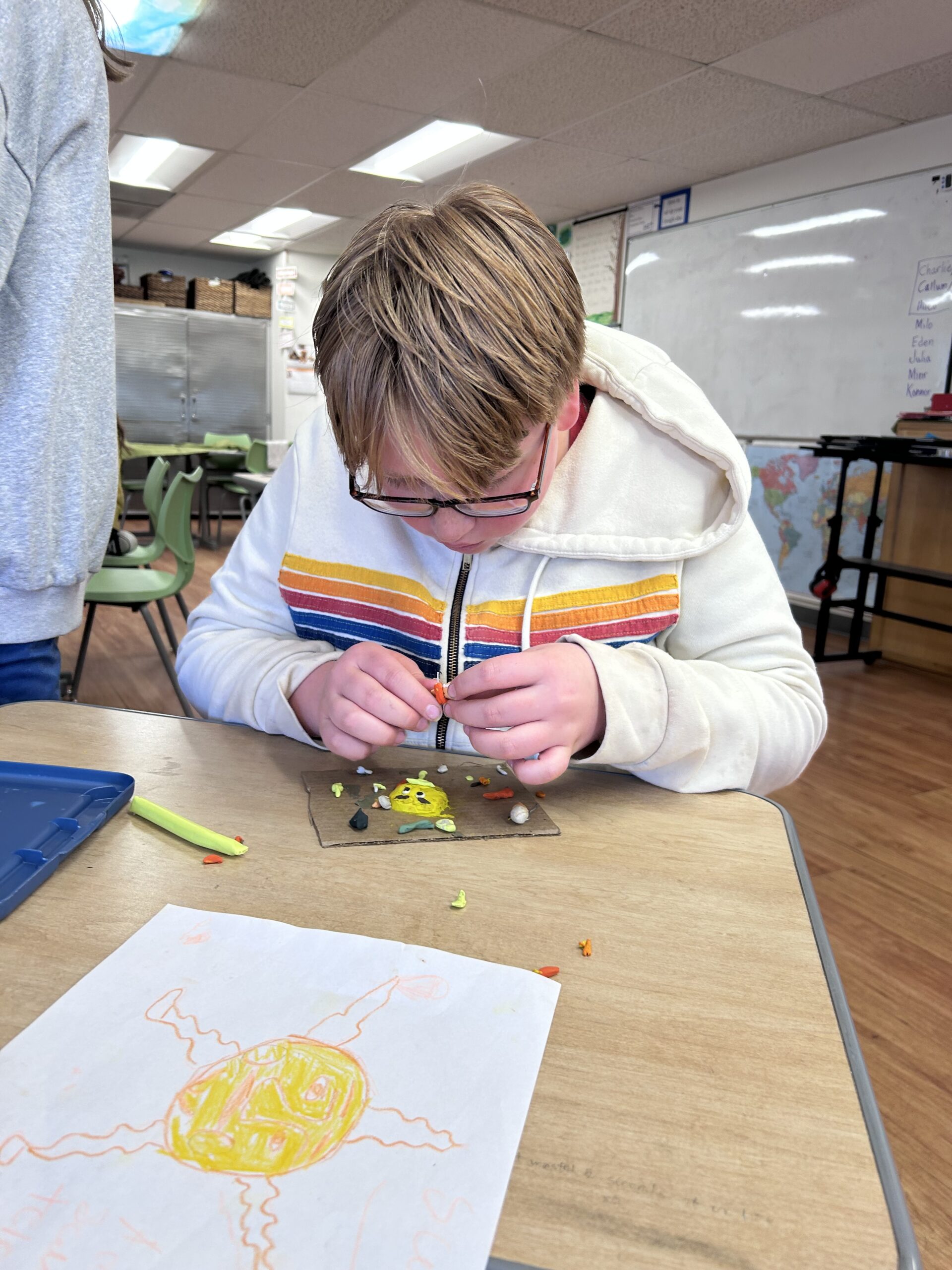
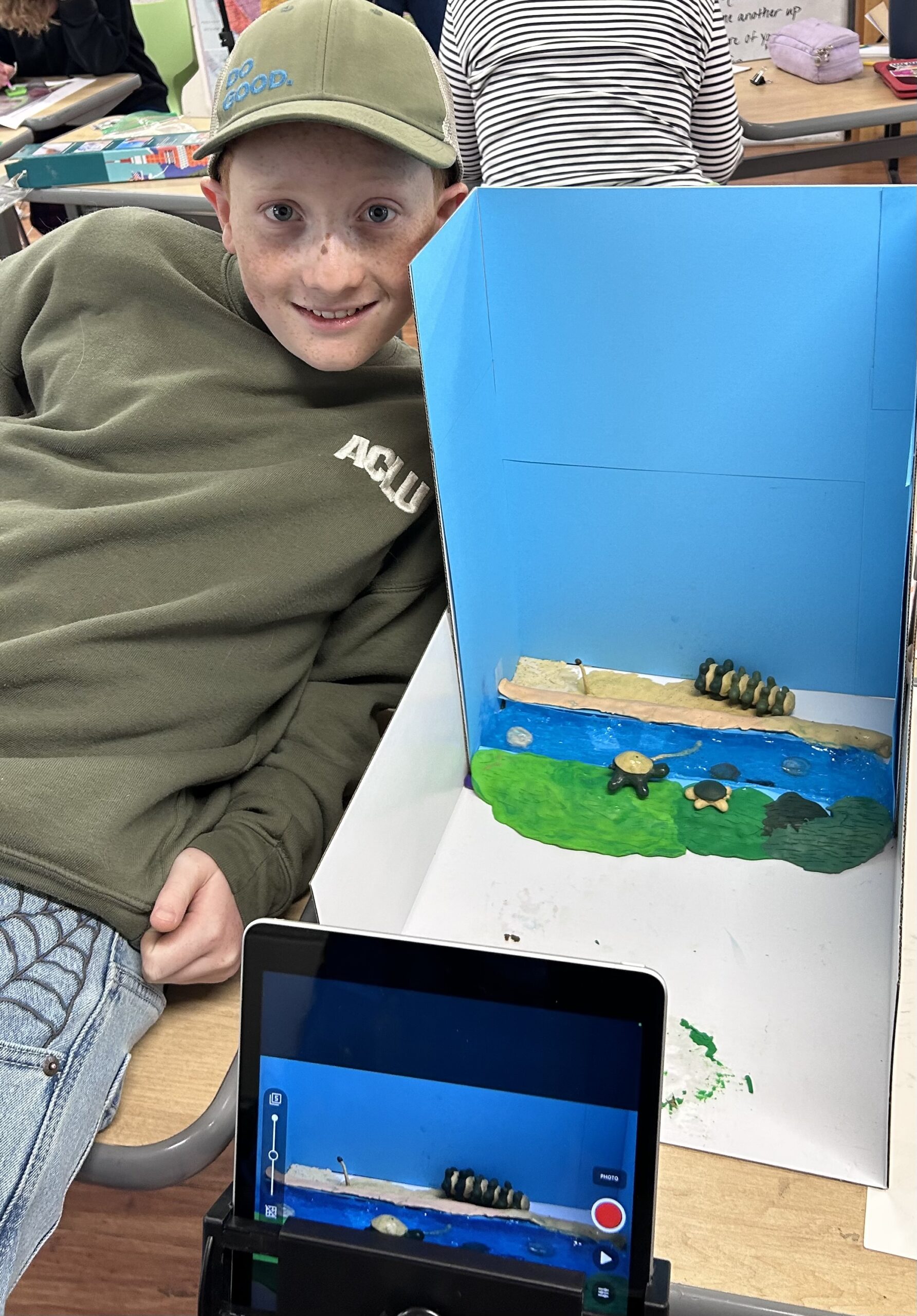
Normal classes are on pause. Instead, students have chosen one thing to focus on for the entire week: one subject, one teacher, one set of questions, and they are going all the way in. That’s Immersion, and it’s one of the things I’m most proud of about Friends School.
Last week, our elementary students had their own Immersion week. This week it’s the middle school’s turn. The energy shifts, the questions get bigger, but the idea is the same.
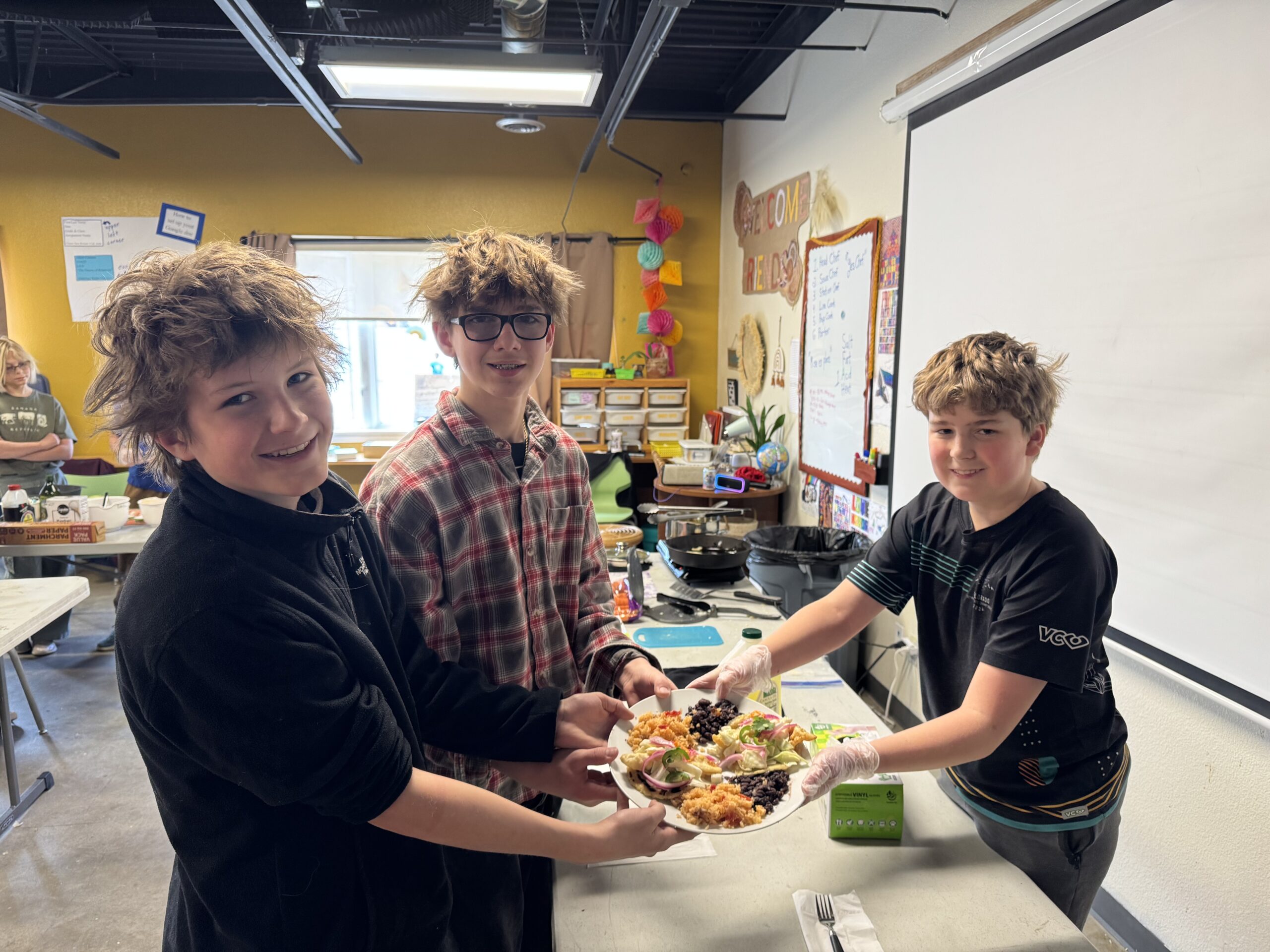
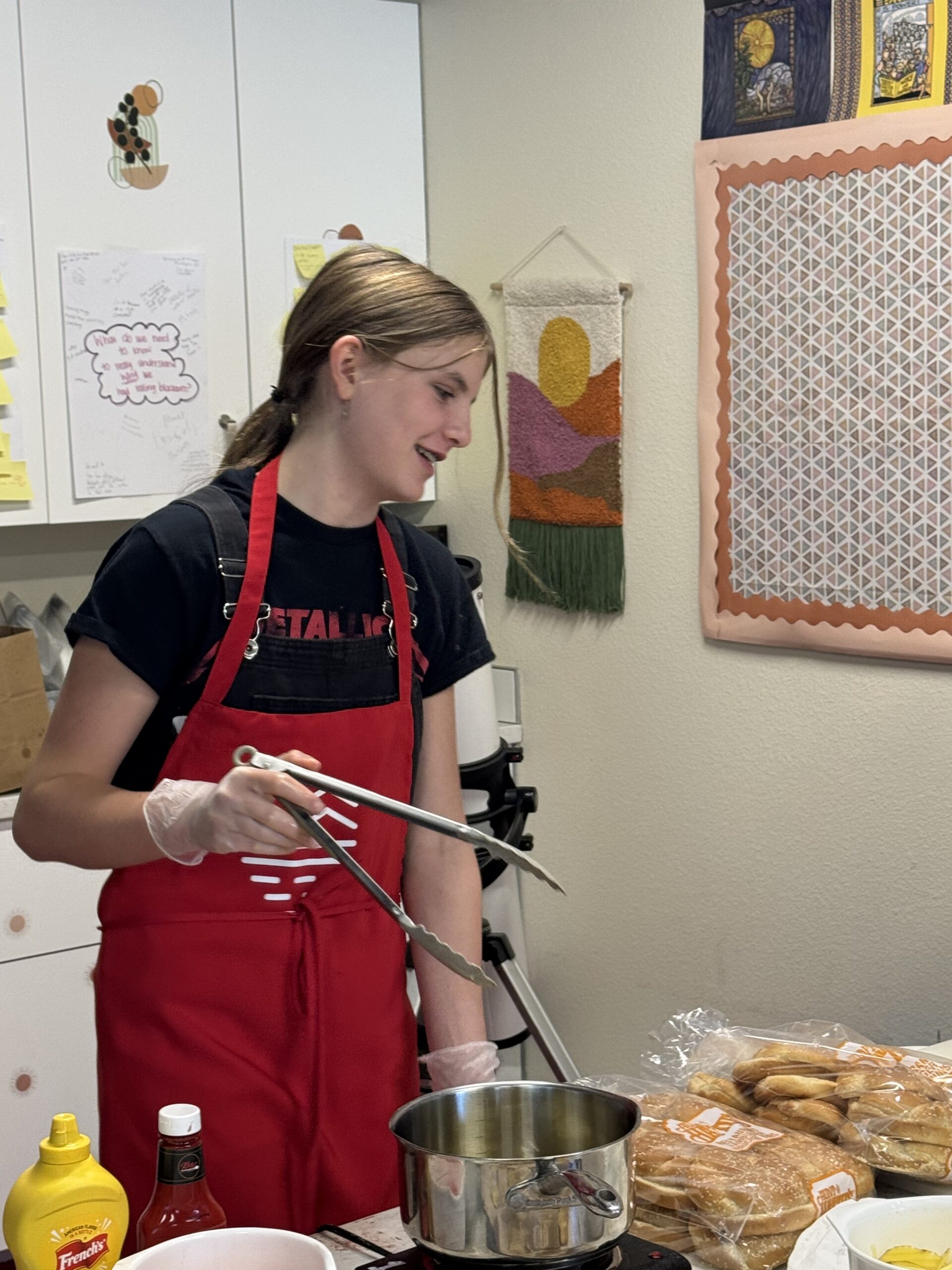
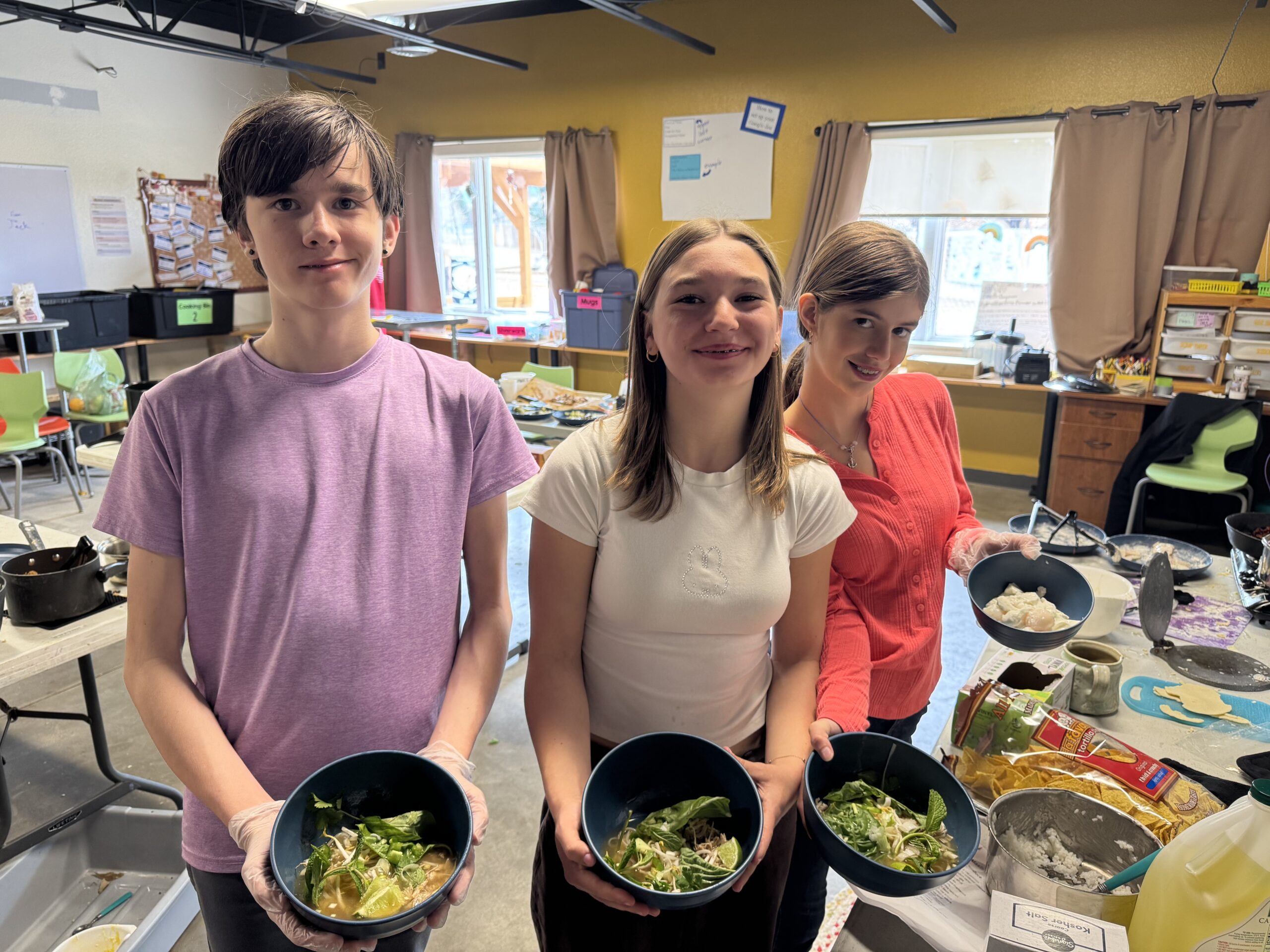
I’m co-teaching this week’s immersion course with Gracie. Our course is on cooking techniques, food access, and equity. We’re using Samin Nosrat’s framework from Salt Fat Acid Heat as a way to think about how food actually works: not as a list of recipes to follow, but as a set of principles to understand and build from. Students are cooking, thinking, and asking questions about why some people have access to good food and others don’t. It’s one of the more satisfying things I’ve done as an educator in a while.
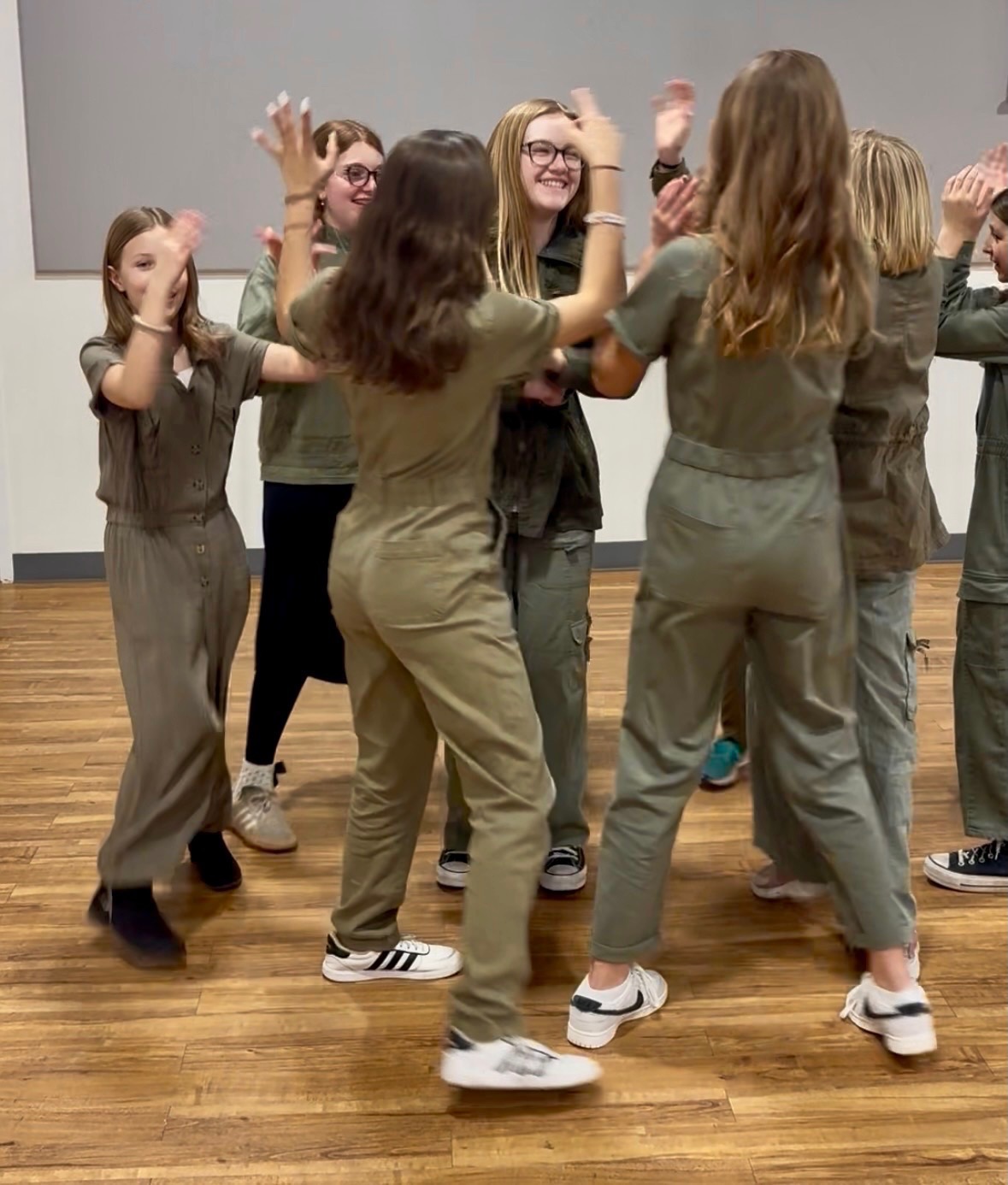
At the same time, I’m taking a group of our most advanced middle school jazz students to the Reno Jazz Festival in April. That’s a significant honor, and honestly it’s one of those moments where I get to see years of serious work pay off, for them and for me.
Both of these things, Immersion week and the Reno trip, are expressions of the same idea: that going deep into something is one of the most important things a young person can learn to do.
And that matters right now.
Most of us know what it feels like to open the news and be hit with problems so large they seem to have no edges. Climate, inequality, democracy, public health: the headlines keep coming. And there’s a version of staying informed that actually functions more like paralysis. We scroll, we absorb, we feel vaguely terrible, and we move on. Awareness without agency. The size of the problem becomes a reason not to engage with it.
Kids pick up on this. They’re watching how adults relate to difficulty and complexity, and many of them are learning that the appropriate response is either numbness or anxiety.
What I believe, and what I see Friends School trying to practice, is that the antidote to that is depth. Not solving everything. Not having all the answers. But learning to care about something enough to get genuinely good at it. To ask better questions. To stay curious when things get complicated. To find meaning in the work itself.
That doesn’t happen through curriculum alone. It happens when teachers are genuinely passionate about what they’re teaching. When a teacher brings real knowledge and real love to a subject, students feel it. They learn not just the content but the posture: what it looks like to actually care about something and pursue it seriously.
That kind of teaching requires support. It requires a school community that believes this work is worth protecting. We’re trying to do something real here. Thank you for being part of it.