by Ivan Johnson, Middle School Program Head
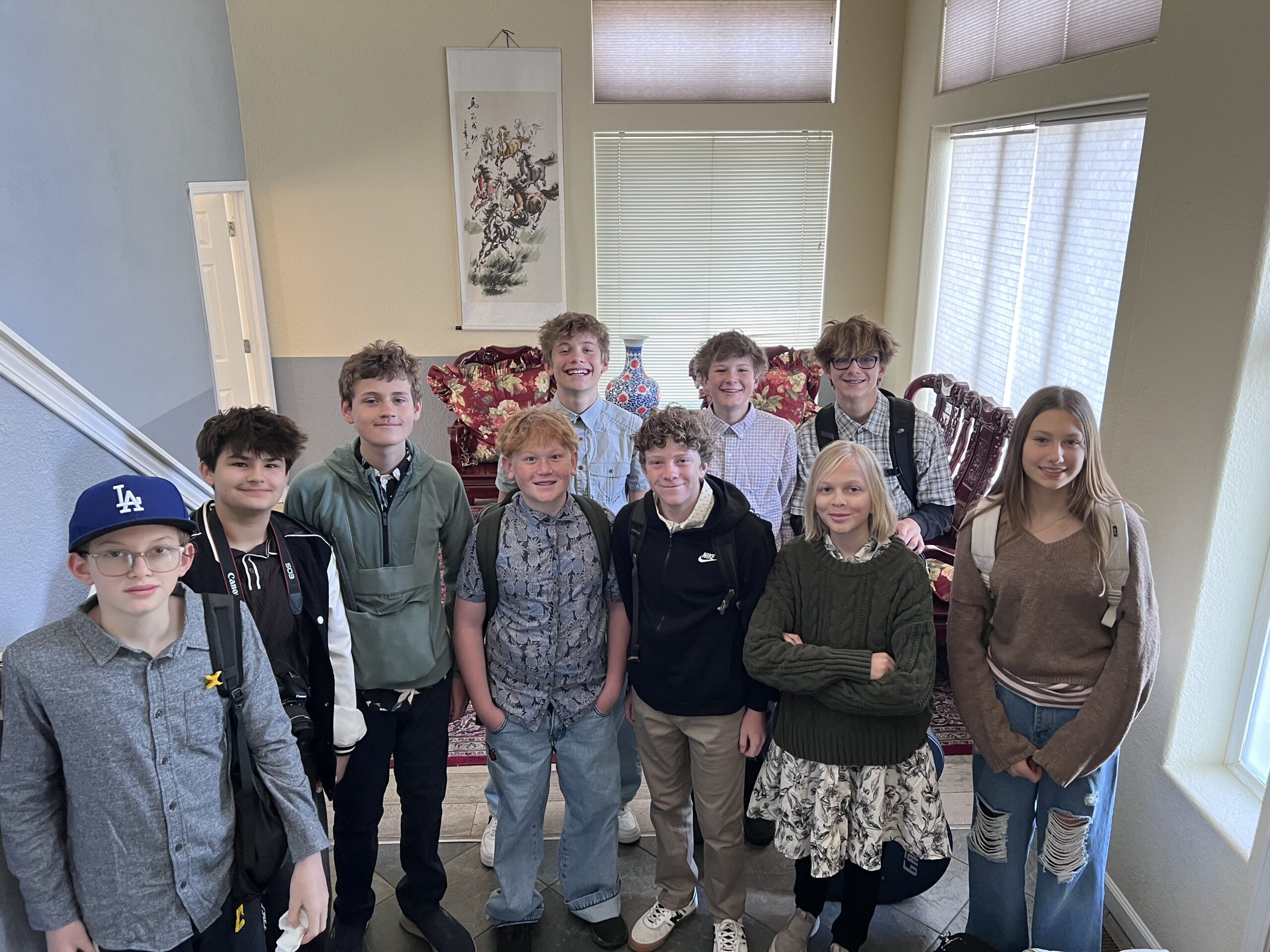
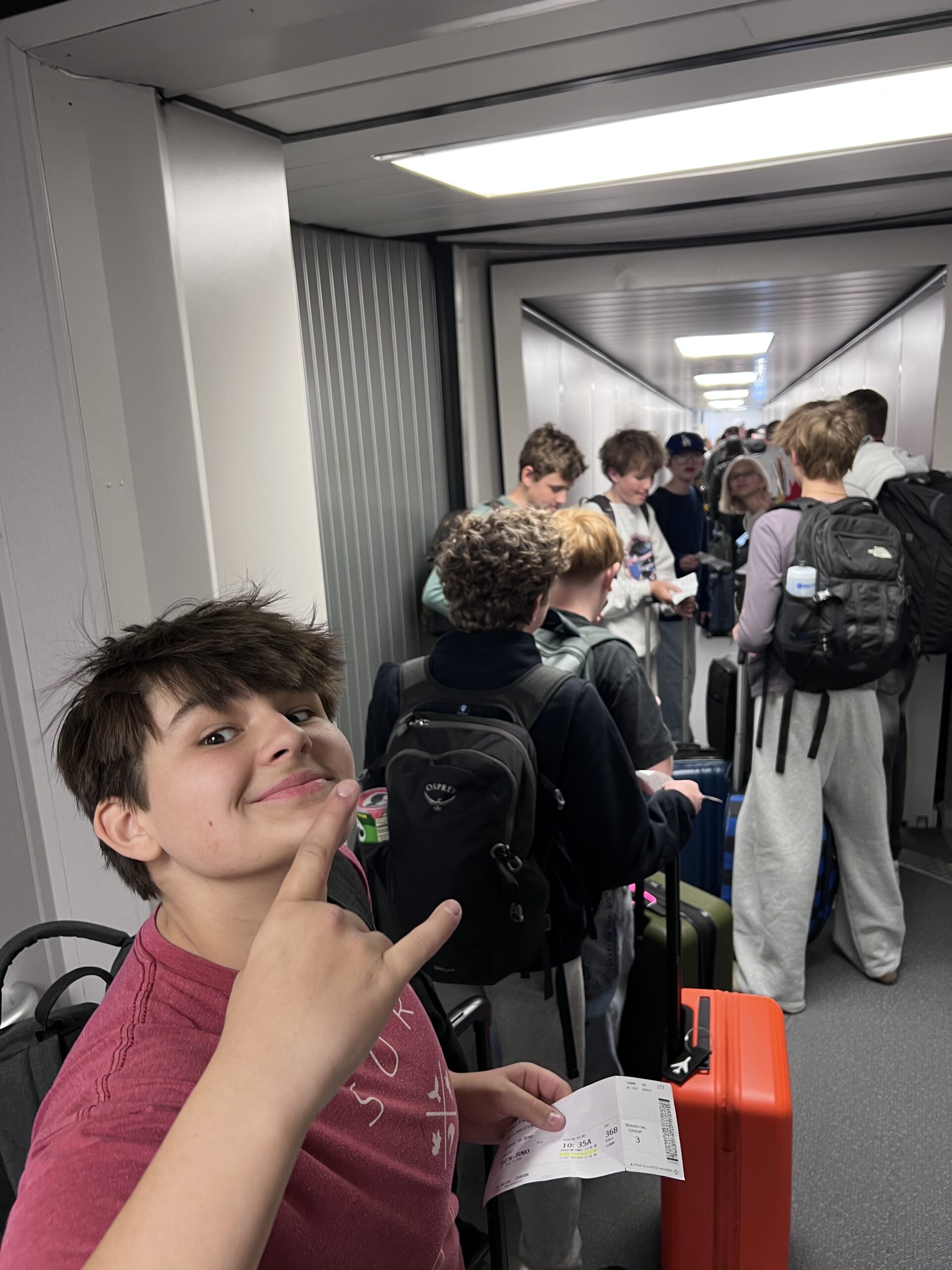
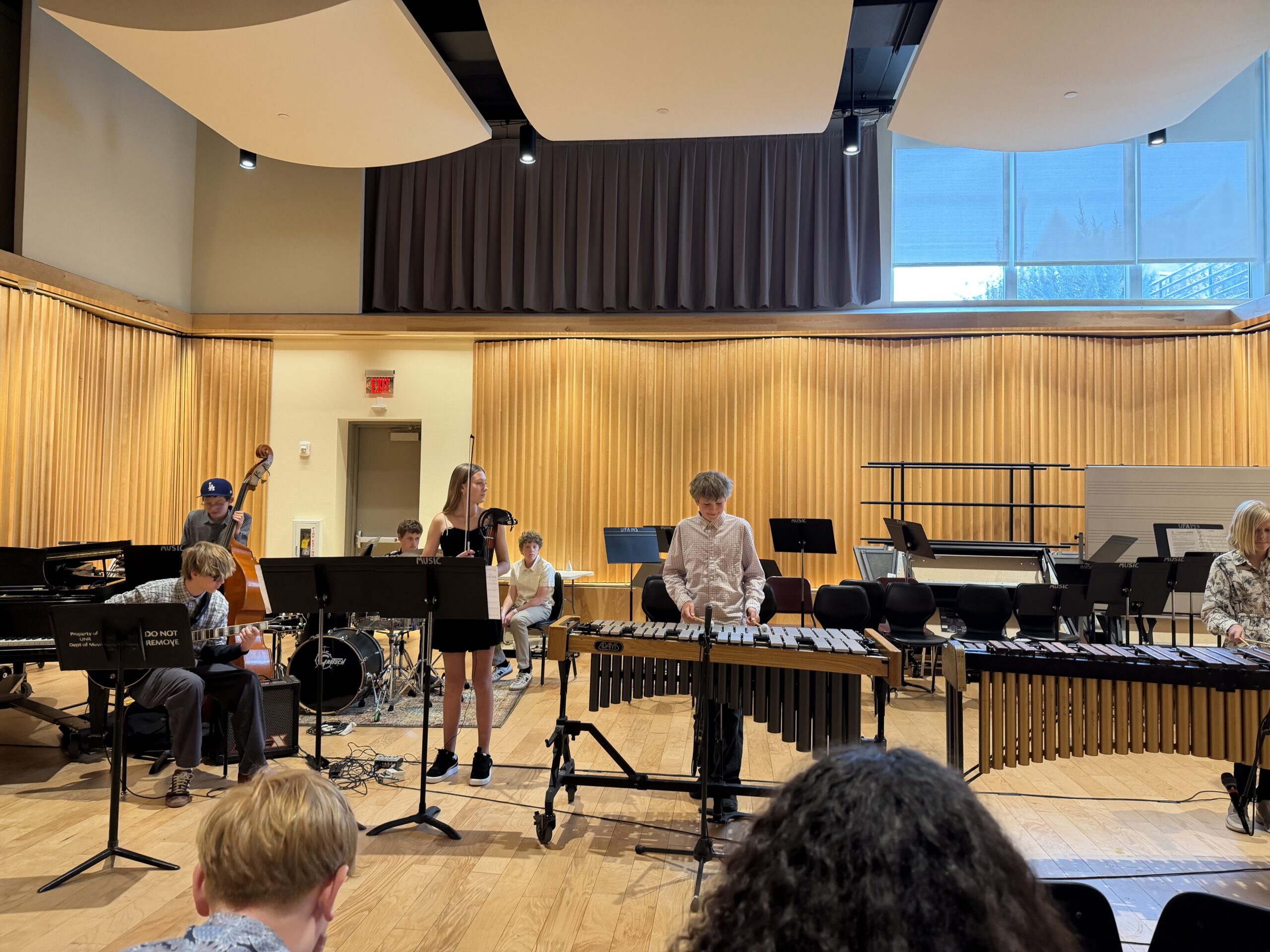
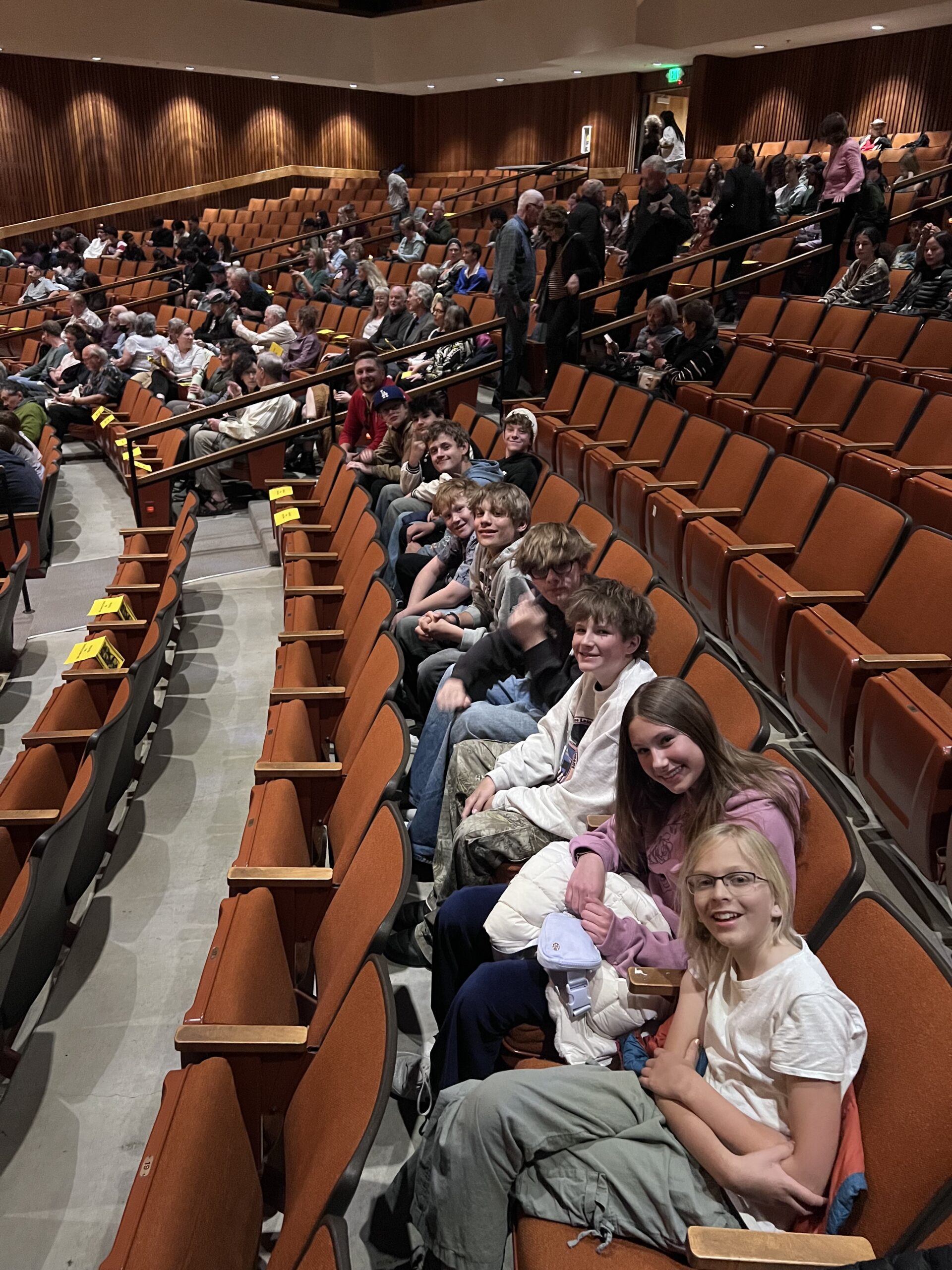
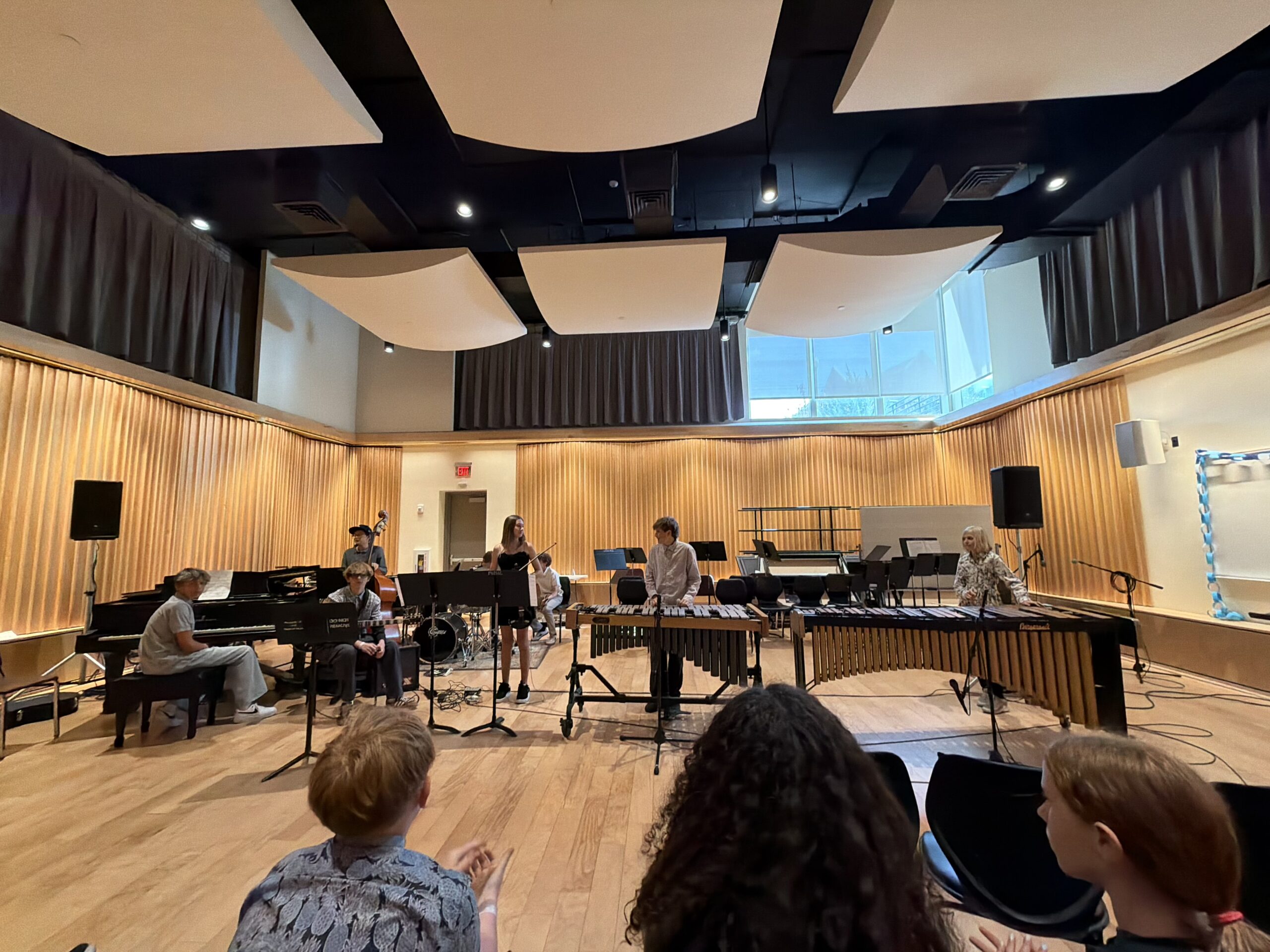
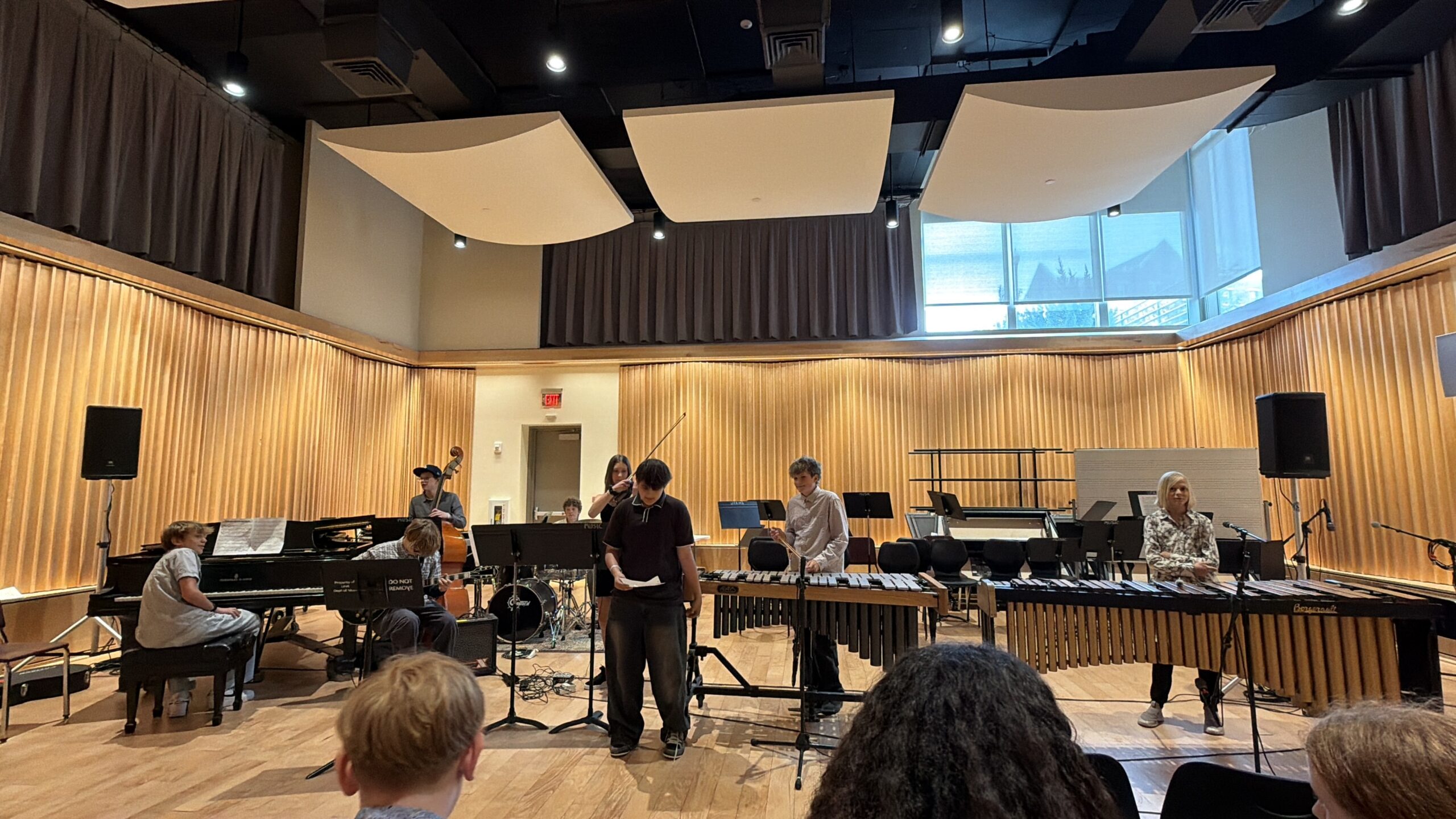
10 kids, Erik and I, four days in Reno. Our middle school advanced jazz band just came home from one of the oldest and most respected school jazz festivals in the country, and they took third place in their division! For a school of our size, against bands from much larger programs, that is amazing.
But the placement is not really the story.
What I keep thinking about is how the kids played. I have been working with this group for months, and somewhere in the past few weeks something shifted. They started listening to each other. The drummers were responding to the soloists. They were leaving space for each other and following each other through changes instead of hanging on for dear life. You cannot teach that on a schedule. You point at it, week after week, until one day the kids do it themselves. And when they do, they hear it.
In the middle of the busiest time of year, I made it a priority to attend and to work with these kids long enough to get them ready to play at this level. Jazz is not a subject you can learn alone. It is a social music. It depends on listening and response, on trust between players, on the willingness to commit to something that might not work and then do it again. You cannot teach those things in isolation. You can only teach them in a room with other musicians.
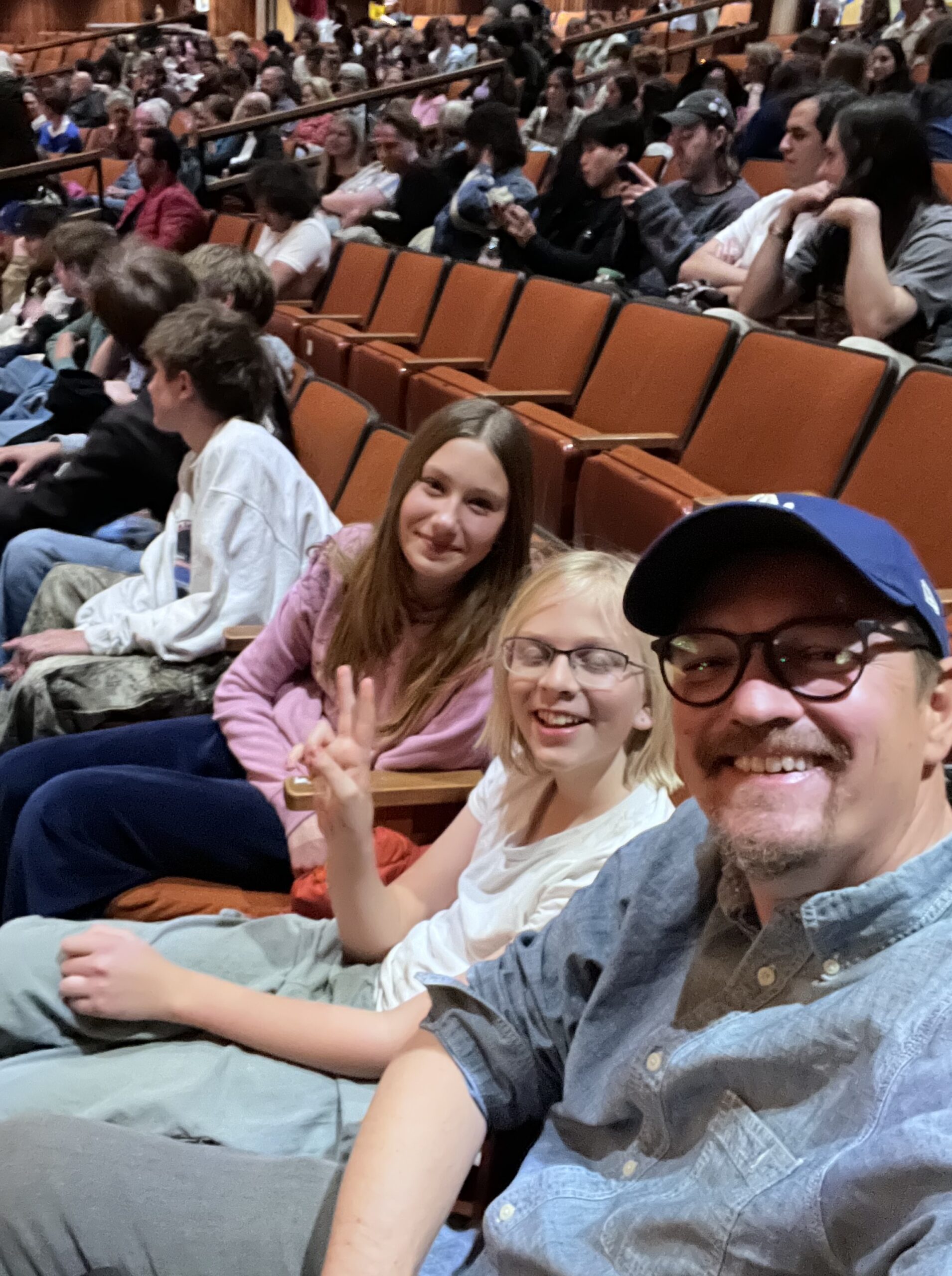
Our kids spent three days at the music school at the University of Nevada, Reno. They played for judges who are working musicians. They sat in clinics with players who treated them like musicians instead of like middle schoolers. They watched older bands play things they cannot yet play, and they came home wanting to play those things.
I have always believed that the phrase “Those who can, do. Those who can’t, teach.” is insane. Great teachers are great thinkers, and great teaching is mastery passed on. What that mastery looks like depends on who is in front of you. A master early childhood teacher is a master of self-regulation, communication, and imagination, because these are the ways young children are learning to become themselves. A master elementary teacher is a master of curiosity and connection, because that is the work of those years. As subjects become more specialized, so does the mastery. A master math teacher sees the world through the language of math. A master art teacher sees the world through the creative lens. A master music teacher is a musician. You cannot teach what you are not. True masters of a craft feel an obligation to pass that mastery on to the next generation. That is what teaching is.
I tell my students that learning is an egoless act. When someone gives you critical feedback, they are spending their time to help you grow. The first reaction is often fear, hurt or anger. You have to move past that and see the feedback for what it is.
I have had a few moments in my life, in masterclasses and jam sessions in New York and LA, where I got to play bass with some of the greatest musicians alive. In those rooms it was clear to everyone, including me, that I was the weakest link in the ensemble. When those musicians made critical comments about my playing, I had to move past the ego-driven reaction of being hurt or offended and recognize the feedback as a gift. They were spending their energy and attention on me. That is an honor.
I run my classes this way, and my jazz band rehearsals especially. The kids who came to Reno have been rehearsing all year inside that culture, which is why they were ready for what a festival like this asks of them. One of the beautiful things about jazz, and about a festival like Reno in particular, is that the judges and the clinicians and the visiting musicians all treat the students as equals. Feedback is given directly, with the expectation that students will hear it as a sign of respect. That is the bar I want our students to meet, and at Reno they met it.
The other thing about this music community is how it welcomes younger players in. The same musicians who will give you direct, unvarnished feedback will also make space for you and treat you like one of them before you have earned it. That is how the music gets passed on.
My friend Beth Schenck runs the music program at San Francisco Day School. She is also one of my favorite composers, saxophonists, and improvisers. Her band invited our kids to hang out at the hotel arcade between concerts and the awards ceremony. The two groups spent a couple of hours playing games and meeting other kids who care about the same things they do. It was a small gesture from one band to another, the kind that happens all the time in this community, and it told our kids something important: you belong here too.
These moments matter much more to me than the placement. So much of what kids encounter in our culture is sorted into winners and losers. Both my parents were professional musicians, and the music community I came up in is not that. It is a community of people who care about the same hard thing, who give each other honest feedback because they take each other seriously, and who welcome younger players in because the work is too big to do alone. This trip gave our kids a picture of what the jazz community looks like from the inside, and our kids walked into it like they belonged there.
Because they do.